MANILA, Philippines?The global rice supply available for trade next year is expected to be low due to environmental disasters that destroyed rice crops in exporting nations, the Food and Agricultural Organization said in its September report.
National Food Authority officials said the situation was alarming because the squeeze in the supply and the planned removal of their rice subsidy in the 2011 budget might mean a shortage in the Philippines' staple food that could be felt by the summer of next year.
According to the UN agency's Global Information and Early Warning System on Food and Agriculture, the major rice producing countries have ?faced problems of drought, followed by floods, which marred expectations for the volume and quality of the rice to be harvested.?
?Consequently, FAO has lowered its 2010 global production forecast by about 5 million tons to 467 million (metric) tons milled equivalent although this still represents a 3 percent increase from the 2009 season and a new historical record,? the report said.
Given these conditions, ?world trade in rice may decline to 29 million (metric) tons in 2011, 1 million tons or 3.3 percent less than the current estimate for 2010,? the report said.
?The expected reduction in world exports in 2011 reflects anticipation of reduced shipments from Cambodia, Vietnam and especially Pakistan, all of which are likely to face a tightening of supplies,? the report said.
Pakistan, one of the world's top exporters, has just experienced its worst flood in decades, drowning most of its agricultural lands.
?Overall, latest official figures indicate that about 2.4 million hectares of crop land (including paddy, maize, sugarcane, cotton, and others crops) have been damaged by floods. This represents approximately 10 percent of the total cropped area,? the FAO said,
On the other hand, the Mekong River Delta region that straddles Cambodia and Vietnam was hit by drought, lowering river levels and decreasing production this year. Laos also experienced erratic rains. All three countries export rice.
The report also noted that the reduction in rice trade in general was due to the decrease in imports from countries like China, Bangladesh, and the Philippines, the world's top importer.
The squeeze in the global rice supply has worried officials of the NFA.
NFA Administrator Angelito Banayo, in an interview, said the rice market in the next few months will be volatile because of the environmental disasters that hit rice-producing countries, which could drive prices up.
It will also mean that the Philippines will have more competition in the rice market. Russia, which was ravaged by fires, might buy rice next year because of the damage to its wheat farms.
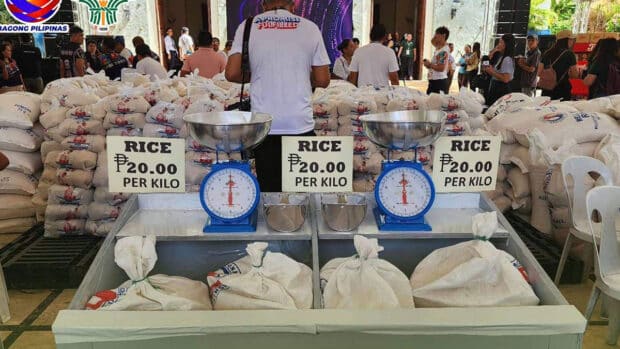
The NFA, which subsidizes rice for farmers and consumers, has been told by the Finance and Budget departments that it won't receive any money for subsidies from the government next year.
The agency asked for an P8-billion budget for next year.
NFA accounts for 20 percent of the total sales of rice in the market, making it a major player in the industry and the key agency in keeping prices stable.
Banayo opposed the move to take away the rice subsidy, saying it would put consumers at the mercy of private traders, who would be able to dictate prices.