July 10, 2022




MANILA, Philippines — Factory gate prices continued to rise in February, driven by the uptick in the selling prices of coke and refined petroleum products manufacturers. Data released by the...

MANILA, Philippines — The Bureau of the Treasury (BTr) on Wednesday raised P30 billion from the sale of five-year Treasury Bonds (T-bonds) amid strong investor demand. The BTR said its...

BANGKOK, Thailand — Hooters, the US-based restaurant chain known for chicken wings and “Hooters Girls” skimpy wait-staff outfits, has filed for bankruptcy protection. HOA Restaurant…









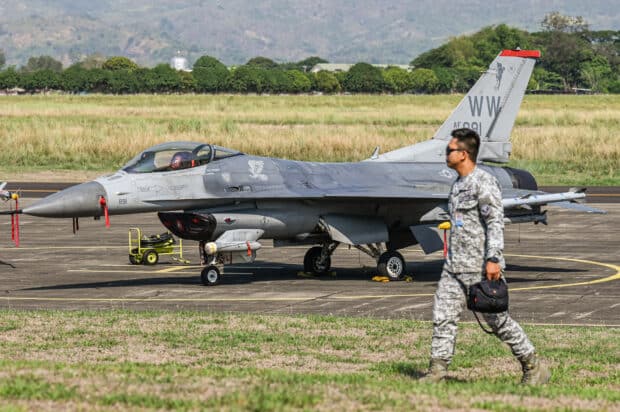
WASHINGTON, United States — The United States announced on Tuesday it has approved a sale of $5.5 billion in F-16 fighter jets to the Philippines,…

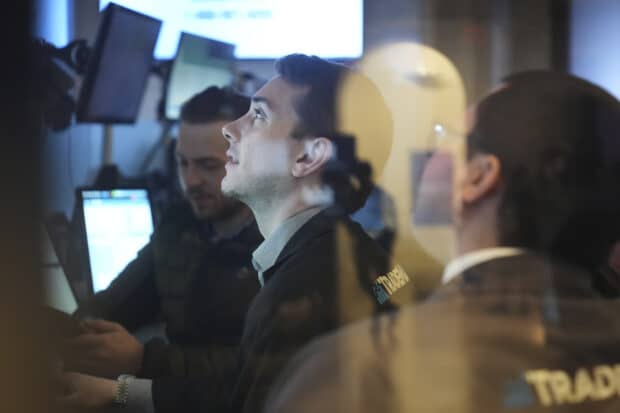
NEW YORK, United States — President Donald Trump’s fast-approaching “Liberation Day” sent stock markets swinging sharply worldwide on Monday. On Wall Street, the S&P 500…
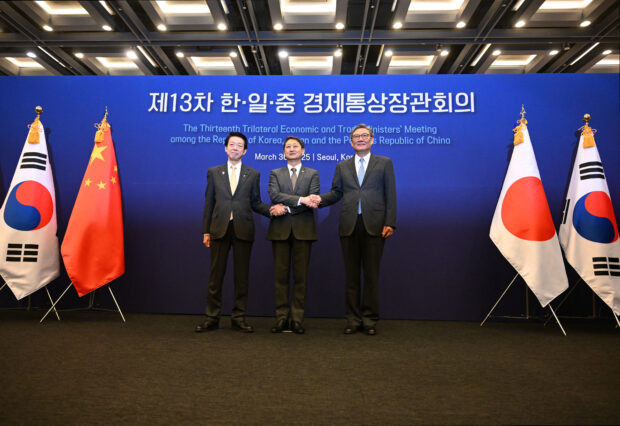


MANILA, Philippines – The national government incurred a budget deficit of P103.1 billion in the first two months, up 34.35 percent, as spending for infrastructure,…


SAN FRANCISCO, United States — Artificial intelligence (AI) startup Perplexity on Friday expressed its interest in buying TikTok, which faces a deadline to divest from…


MANILA, Philippines — After leading the massive digital transformation campaign of his old bank, Edwin Bautista will join another major bank next month as its…


This is an information message
We use cookies to enhance your experience. By continuing, you agree to our use of cookies. Learn more here.