July 10, 2022


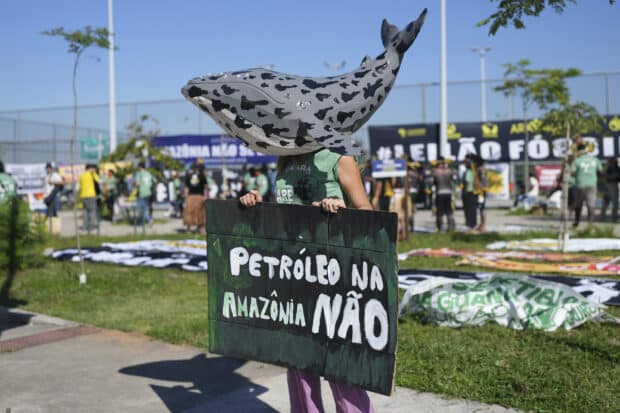
BRASILANDIA, Brazil — Brazil auctioned off several land and offshore potential oil sites near the Amazon River on Tuesday. It aims to expand production in untapped regions despite protests from...



WASHINGTON, United States — The World Bank is re-entering the nuclear energy space “for the first time in decades,” its President Ajay Banga said Wednesday, as it works towards meeting...

NEW YORK, United States — More than 1.15 million power banks are under recall across the U.S. after some fires and explosions were reported by…











MANILA, Philippines — The Department of Transportation (DOTr) wants to establish a dedicated bus lane linking Quezon Avenue and España, identifying this as a viable…



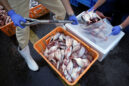
MANILA, Philippines — Tight importation schedules and supply issues prompted the Department of Agriculture (DA) to extend the issuance of fish import permits to June.…
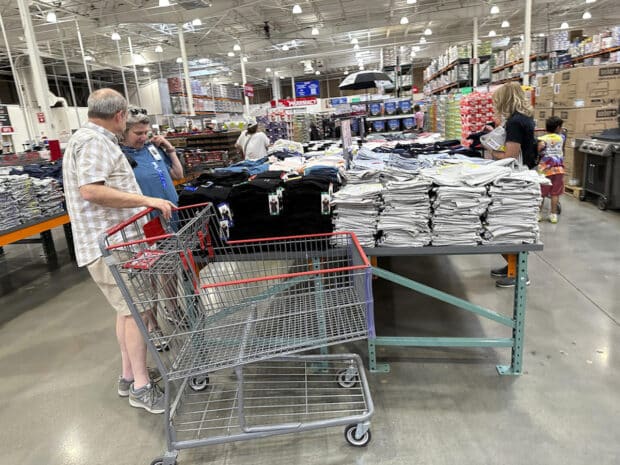
WASHINGTON — Retail sales fell sharply in May as consumers pulled back from a spending surge early this year. The rush was to get ahead…

NEW YORK, United States — US stocks fell Tuesday after President Donald Trump hardened his rhetoric on the fighting between Iran and Israel. The conflict…

MANILA, Philippines — Financial technology firm Salmon said on Tuesday it had raised $88 million in fresh capital to help strengthen its consumer lending business.…

This is an information message
We use cookies to enhance your experience. By continuing, you agree to our use of cookies. Learn more here.