July 10, 2022


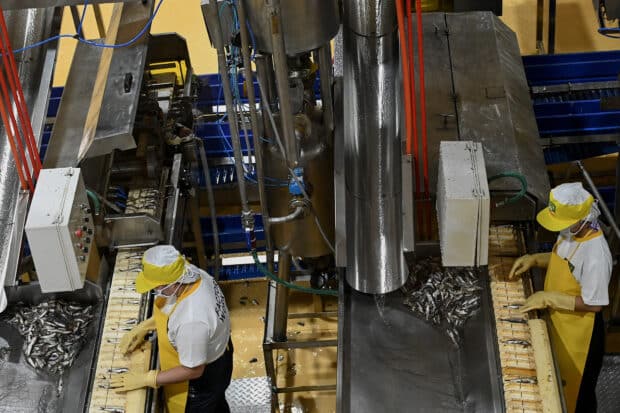
MANILA, Philippines — Factory gate prices continued to rise in February, driven by the uptick in the selling prices of coke and refined petroleum products manufacturers. Data released by the...
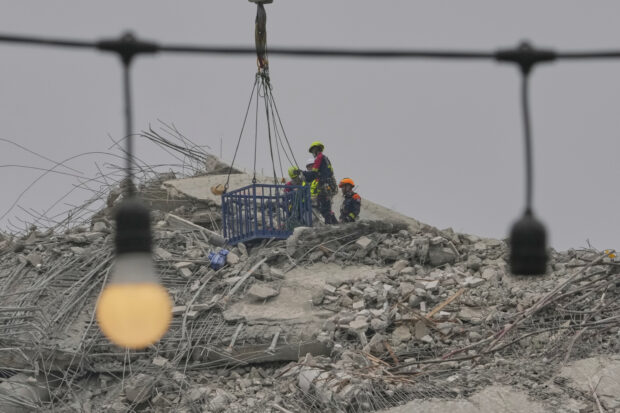
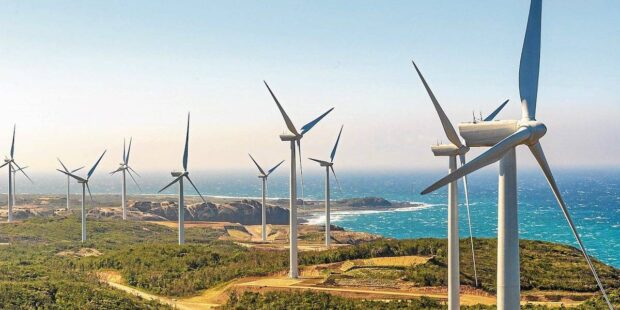
MANILA, Philippines — The Philippines’ goal of jacking up clean power generation has gained strong financial support as the World Bank (WB) approved an $800-million loan targeted for energy transition....


MANILA, Philippines — The Department of Agriculture (DA) is projecting lower rice imports this year due to an expected improvement in local production, better weather…











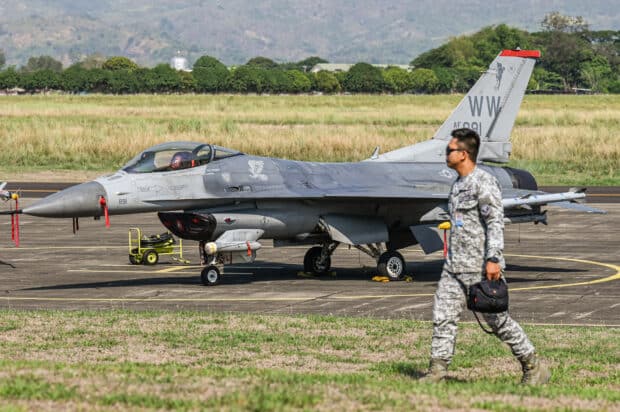
WASHINGTON, United States — The United States announced on Tuesday it has approved a sale of $5.5 billion in F-16 fighter jets to the Philippines,…

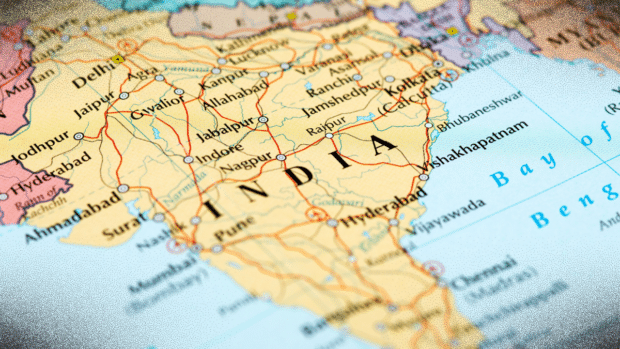

WASHINGTON, DC — President Donald Trump announced plans for sweeping tariffs Wednesday, saying “our country has been looted, pillaged, raped, plundered” by other nations. The…

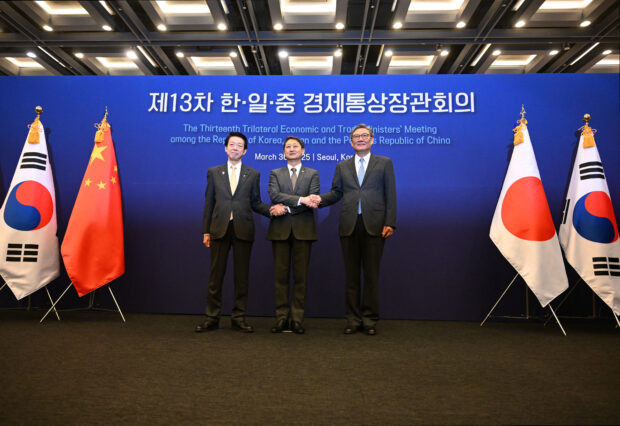
WASHINGTON, DC — President Donald Trump announced plans for sweeping tariffs Wednesday, saying “our country has been looted, pillaged, raped, plundered” by other nations. The…


WASHINGTON, United States — Shares of the conservative cable news channel Newsmax have skyrocketed more than 2,000 percent in the two days since it began…




MANILA, Philippines — After leading the massive digital transformation campaign of his old bank, Edwin Bautista will join another major bank next month as its…


This is an information message
We use cookies to enhance your experience. By continuing, you agree to our use of cookies. Learn more here.