


Office design essentials: Spaces that inspire and adapt


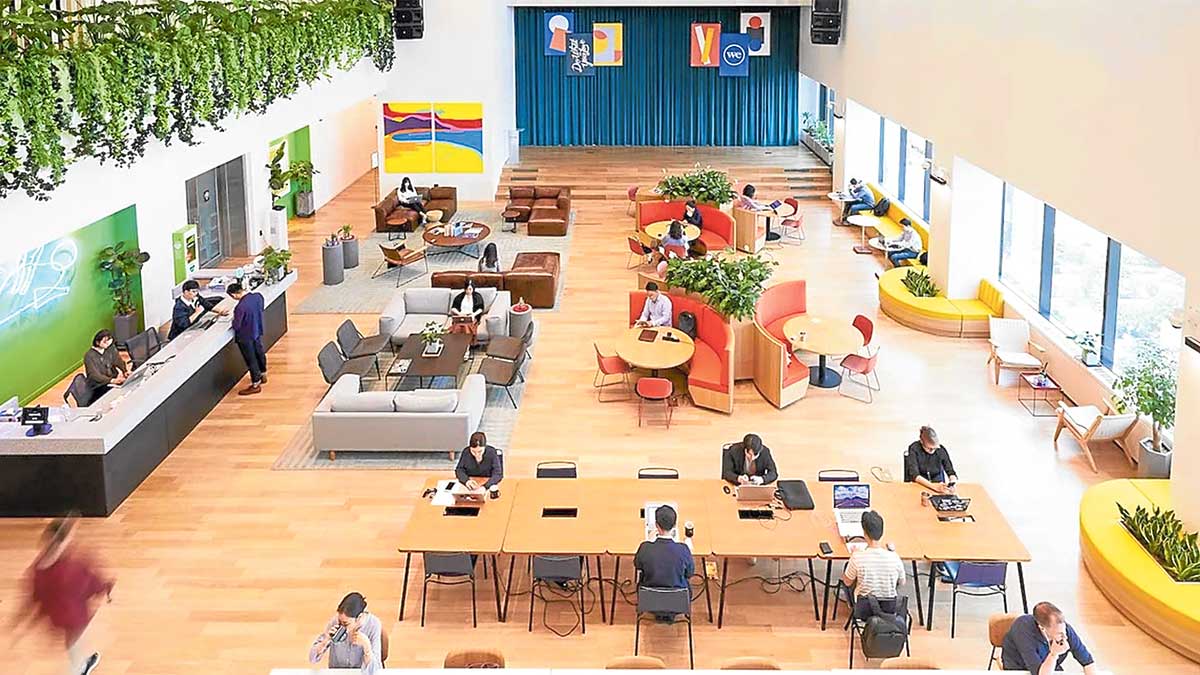
Gone are the days of rigid desk rows and static corporate layouts.
With hybrid schedules, fluid team dynamics and evolving employee expectations, the office must transition from a mandatory destination into a purposeful hub that supports productivity, innovation and well-being.
Modern workplace design thus requires a strategic blend of physical adaptability, cutting-edge technology, and spatial psychology.
Shift to activity-based working (ABW)
At the heart of this transformation is the shift toward activity-based working (ABW).
Because employees increasingly commute to the office for collaboration, community, and tech-enabled teamwork, space must be allocated accordingly. Organizations are replacing one-size-fits-all floor plans with dynamic zones tailored to specific tasks.
Collaboration hubs feature modular seating and digital whiteboards to fuel spontaneous brainstorming, while private booths and acoustic pods offer sanctuaries for distraction-free concentration.
Meanwhile, social anchors like communal cafés and informal lounges act as magnets, fostering the organic connections that drive company culture.
Embracing spatial modularity, flexible furniture
Flexibility is amplified through spatial modularity and fluid furniture systems.

Fixed walls and heavy, unyielding desks restrict a company’s ability to pivot as project teams scale or hybrid attendance fluctuates. Forward-thinking workplaces now prioritize mobile elements, such as tables on casters, sliding partitions, and modular seating that can transform a boardroom into a workshop in minutes.
Coupled with hot-desking and hoteling software, these solutions optimize square footage and eliminate the waste of perpetually empty assigned desks.
Prioritize acoustic-first design
Open spaces present challenges like noise pollution, making acoustic-first design an absolute necessity.

Integrating sound-absorbing ceiling baffles, textured wall panels, and soft furnishings significantly lowers cognitive fatigue. Combined with private focus booths for virtual calls, this ensures that vibrant collaboration zones do not compromise individual focus.
Integrate smart technology and biophilic elements
Seamless technology serves as the invisible glue holding the hybrid office together. Smart desk-booking systems, human-centric lighting that mimics natural circadian rhythms, and video-optimized conference rooms ensure that physical and virtual participants operate on equal footing.
Ultimately, by merging biophilic elements—like living green walls and abundant natural light—with universal ergonomics, today’s redesigned offices transform into engaging ecosystems where people genuinely want to work.
The author has more than 20 years of expertise in designing interiors for homes, offices and retail spaces. Experience his designs by contacting him at +639178860983


