July 10, 2022


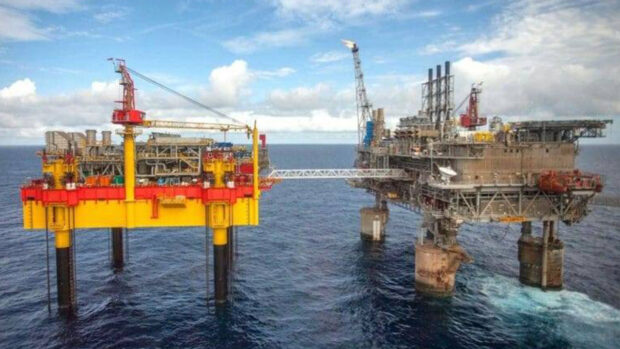
MANILA, Philippines – Department of Energy (DOE) officer-in-charge Sharon Garin has high hopes for energy security in the country as drilling operations for the Malampaya Phase 4 (MP4) project officially...

WASHINGTON, United States — The World Bank is re-entering the nuclear energy space “for the first time in decades,” its President Ajay Banga said Wednesday, as it works towards meeting...


NEW YORK, United States — More than 1.15 million power banks are under recall across the U.S. after some fires and explosions were reported by…











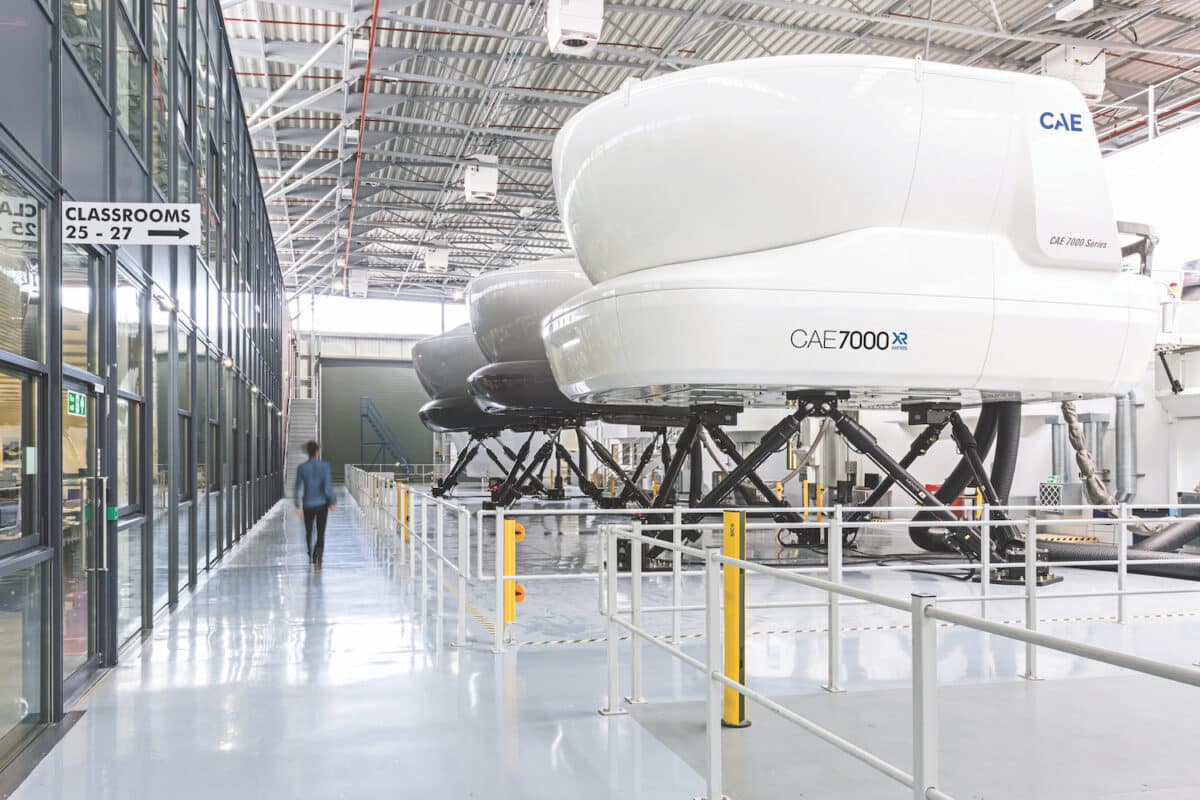
TOULOUSE, France—The future of flying, according to flag carrier Philippine Airlines (PAL), is deploying a fleet of modern aircraft that conserves aviation fuel and elevates…



MANILA, Philippines — The Philippine peso on Thursday sank to its weakest level in almost three months, retreating to the 57 level as the US…


MANILA, Philippines – The Philippines posted a balance of payments (BOP) deficit for the third straight month in May, with outflows stemming from foreign debt…


NEW YORK, United States – Wall Street stocks mostly fell Friday amid weakness in some semiconductor shares as markets weighed the latest developments in the…

MANILA, Philippines – Having ownership ties with conglomerates could be a double-edged sword for Philippine banks, whose asset quality could significantly deteriorate if these large…

This is an information message
We use cookies to enhance your experience. By continuing, you agree to our use of cookies. Learn more here.