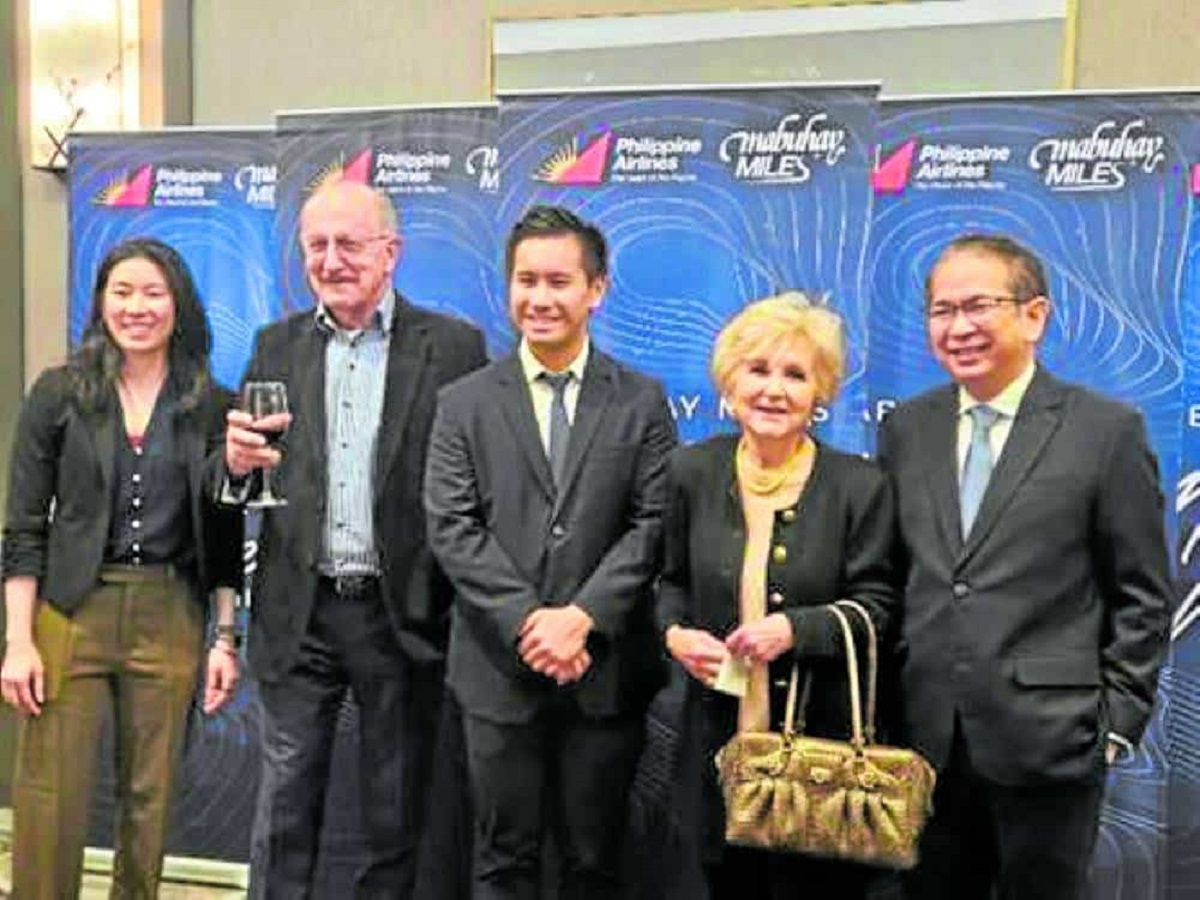
LA TRINIDAD, Benguet ? As a child growing up in a rural village in Croatia, Zelimir Strugar saw first-hand how his parents and grandparents would distill wines and spirits from grapes and other fruits and herbs.
He and his parents eventually migrated to Germany, where his parents sought employment and finally settled.
There, Strugar went to school and took up medicine, finally leaving behind only memories of his original rural home village.
But the memory of that rural village in Croatia proved to be a lasting legacy for Strugar and his Filipino wife.
Since 2007 they have embarked on a home-based wine distillery business following the European tradition of using natural ingredients, most them locally sourced.
Strugar lives with his wife, Jonilyn Balao, and their two daughters, grade schoolers Sarah and Martha, atop a plateau overlooking the valley of La Trinidad, Benguet?s capital town.
In doing the family?s business, Strugar has capitalized on the scientific process of distilling.
Distilling is a process that goes beyond fermentation. Through fermentation, sugar contained in a mash of grains or any kind of fruit is converted into alcohol.
But distilling begins when fermented mixture is heated, turning the alcohol into vapors which are cooled down into liquid form that make up Strugar?s liquor line called ?Edelbrand.?
?Distilling is as old as the alchemists, who eventually refined their skill into what is now chemistry,? says Strugar.
?But as the ancient Arabs discovered, distilling is a scientific process of making something pure from something raw.?
By ensuring quality, wines and spirits can be stored for years, even decades. ?Wines taste better as they age just as people are expected to grow wiser as they get older,? he says.
Small wonder Strugar?s two-year-old ?Edelbrand? Yakun wine costs P700 a bottle.
Strugar?s distilled products are a colorful array of flavors: Lemongrass, Arabica coffee, strawberries, pineapple, guyabano, guava, and other local fruits and herbs.
The only imported raw materials he uses in the mix are juniper and Swedish bitters, which are available in local supermarkets.
The mixture is blended with the fruit spirit of 44 percent alcohol and left to soak in a warm place for 10 days and shaken daily before it is strained and bottled.
Edelbrand is not yet being exported, but Strugar?s products sell briskly in Baguio?s downtown establishments.
Edelbrand is currently on display in this year?s Strawberry Festival. Strugar says he joined the event to try to advocate clean and hygienic procedures for preparing indigenous wine.
Alcoholic beverages are actually part of Filipino culture.
Naguilian town in La Union is known for its basi (sugar cane wine); the Igorots for their tapuy (rice wine); and Southern Tagalog and the Visayas for their lambanog and tuba (coconut liquor).
But these traditional products have yet to reach export quality.
There is a good number of raw indigenous plants waiting to be distilled into wines and spirits, Strugar says, citing the cassava, camote (sweet potato) and herbs used for the pito-pito, a local tea product.
Potatoes can be processed into vodka, he says, ?but I won?t encourage local farmers to go into this yet as they might end up with an accessible liquor commodity that would get them hooked.?
Strugar advocates moderation in all things, which is why every label of Edelbrand?s product has a warning: ?Regular intake of any drug will destroy you, your relations, and, therefore, your life.?