July 10, 2022



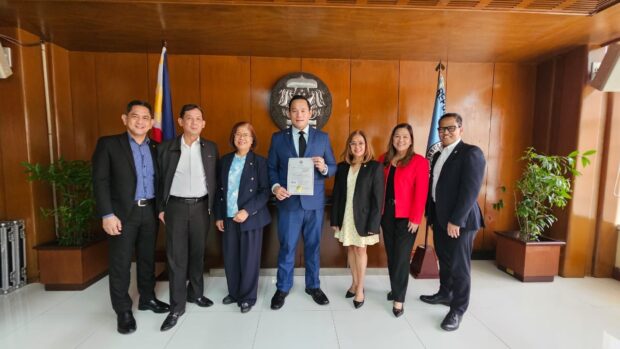
MANILA, Philippines — The Department of Trade and Industry (DTI) has signed a partnership agreement with the Department of Education (DepEd) to promote youth entrepreneurship at farm schools in Western...
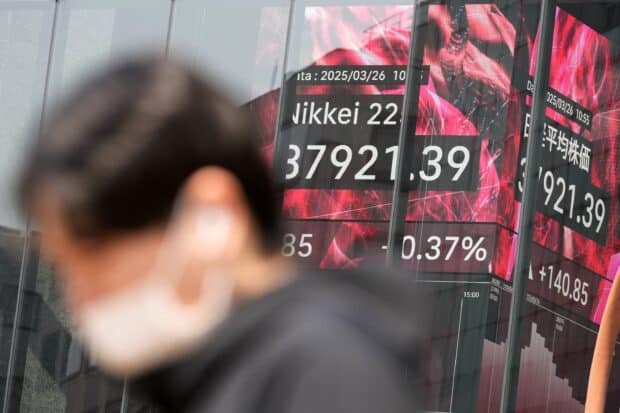
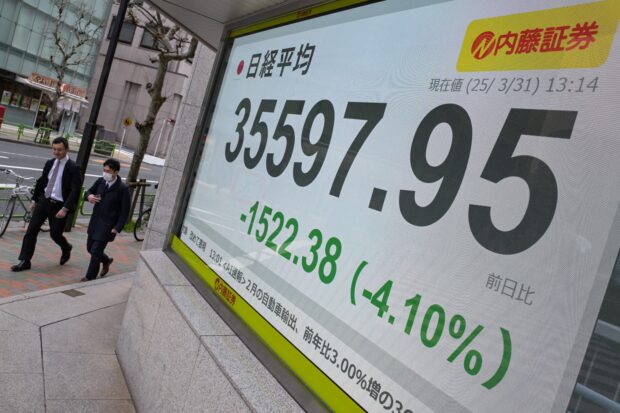
TOKYO, Japan — Japanese stocks plunged in Tokyo trading Monday morning after US shares dropped on Friday amid mounting concerns about the U.S. economy’s outlook. The declines in Japanese stocks...



MANILA, Philippines — With vegetable prices as volatile as they are, consumers fear that they may not be able to give their families, particularly young…











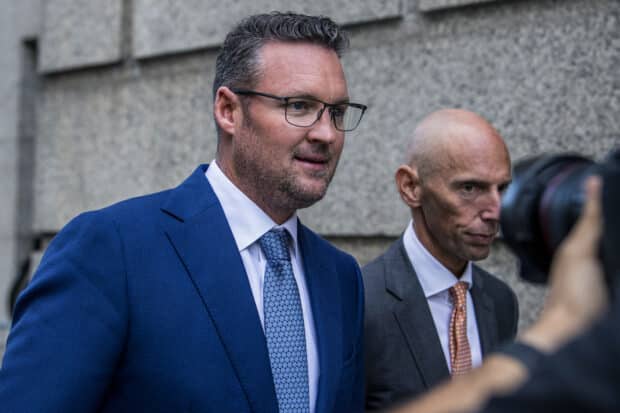
WASHINGTON DC, United States — Trevor Milton, the founder of electric vehicle start-up Nikola who was sentenced to prison last year for fraud, was pardoned…



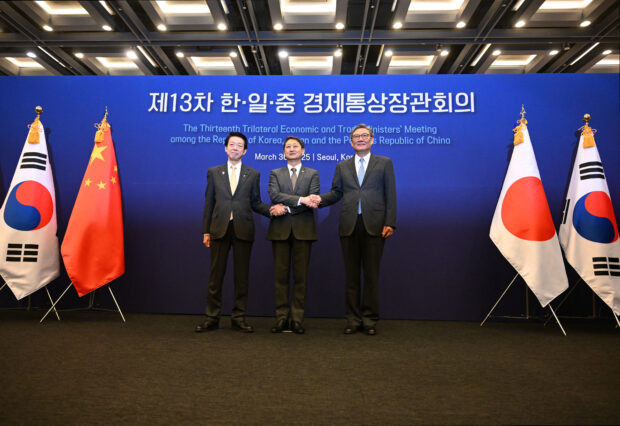
SEOUL, South Korea — China, South Korea, and Japan agreed Sunday to strengthen free trade in the face of a raft of new tariffs imposed…



MANILA, Philippines – The Tariff Commission has been urged to continue imposing safeguard duties on drywall imports from Thailand following a surge in imports and…

SAN FRANCISCO, United States — Artificial intelligence (AI) startup Perplexity on Friday expressed its interest in buying TikTok, which faces a deadline to divest from…



MANILA, Philippines — After leading the massive digital transformation campaign of his old bank, Edwin Bautista will join another major bank next month as its…

This is an information message
We use cookies to enhance your experience. By continuing, you agree to our use of cookies. Learn more here.