July 10, 2022


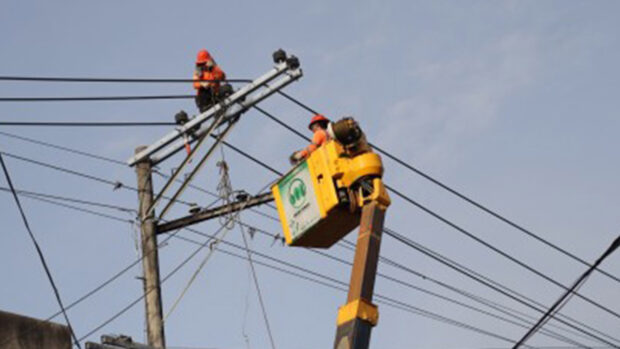
TAGBILARAN CITY – Primelectric Holdings Inc. (PHI), through its utilities Electric and Power Corp. (More Power), Negros Power and Bohol Light, has announced rate reductions for June 2025. In this...
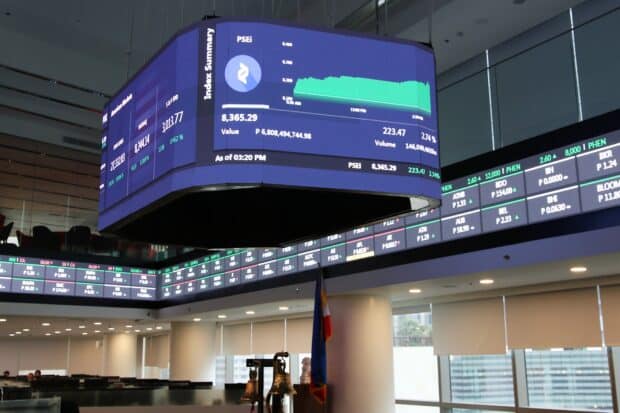
MANILA, Philippines —The Philippine Stock Exchange index (PSEi) opened the trading week in the red. Traders retreated amid the conflict arising between Israel and Iran. The benchmark PSEi slid by...



MANILA, Philippines — The Department of Agriculture (DA) is delaying the reduction of the maximum suggested retail price (MSRP) for imported rice next month. This…











TOULOUSE, France—The future of flying, according to flag carrier Philippine Airlines (PAL), is deploying a fleet of modern aircraft that conserves aviation fuel and elevates…




MANILA, Philippines — The Philippine peso on Thursday sank to its weakest level in almost three months, retreating to the 57 level as the US…

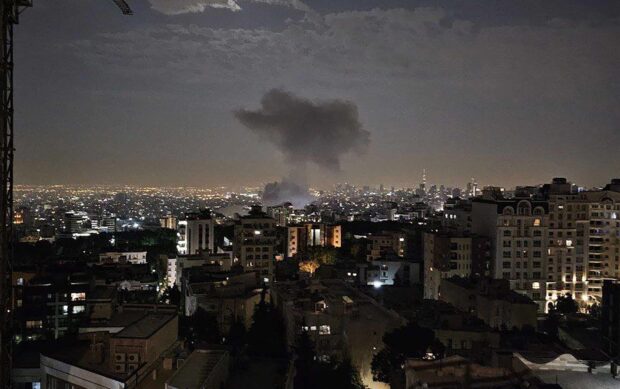
Tokyo, Japan –Rising oil prices following last weekend’s US military strikes on Iranian nuclear facilities have raised concern about possible negative effects on Japan’s economy.…


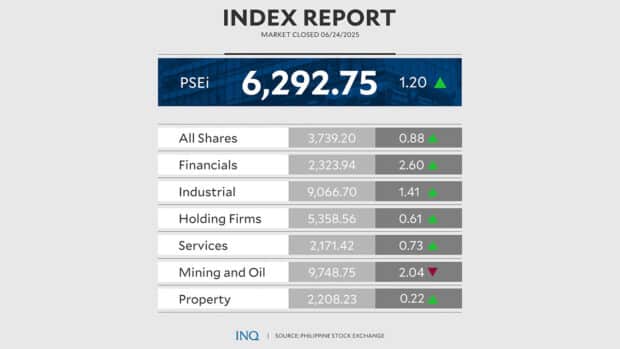
MANILA, Philippines – Local stocks rebounded on Tuesday after US President Donald Trump announced a supposed ceasefire between Israel and Iran. Washington had joined the…

MANILA, Philippines – Having ownership ties with conglomerates could be a double-edged sword for Philippine banks, whose asset quality could significantly deteriorate if these large…


This is an information message
We use cookies to enhance your experience. By continuing, you agree to our use of cookies. Learn more here.