

MANILA, Philippines--The Bangko Sentral ng Pilipinas has approved a government plan to infuse P30 billion into United Coconut Planters Bank to ensure that the sequestered bank will survive a tougher banking environment.
The BSP's policy-making Monetary Board, in a meeting on Thursday, raised the amount of the cash infusion that the national government would soon extend to UCPB, top central bank sources said.
The government, which has been working on the new UCPB program over the last few months, was supposed to provide only P25 billion.
Under the program, the government will place P30 billion in long-term deposits with UCPB. Proceeds from the deposit will then be used by the bank to invest in government securities. After a prescribed period, the funds will be returned to the government which, in turn, will again place the money with the central bank.
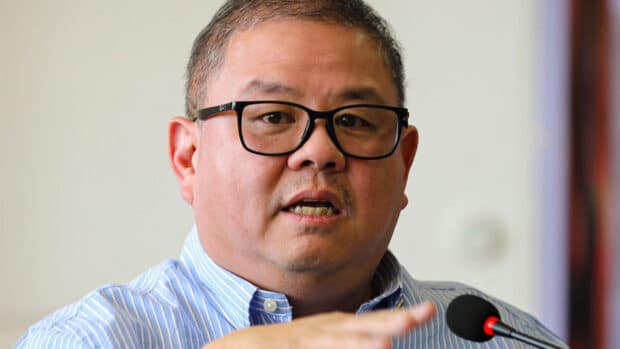
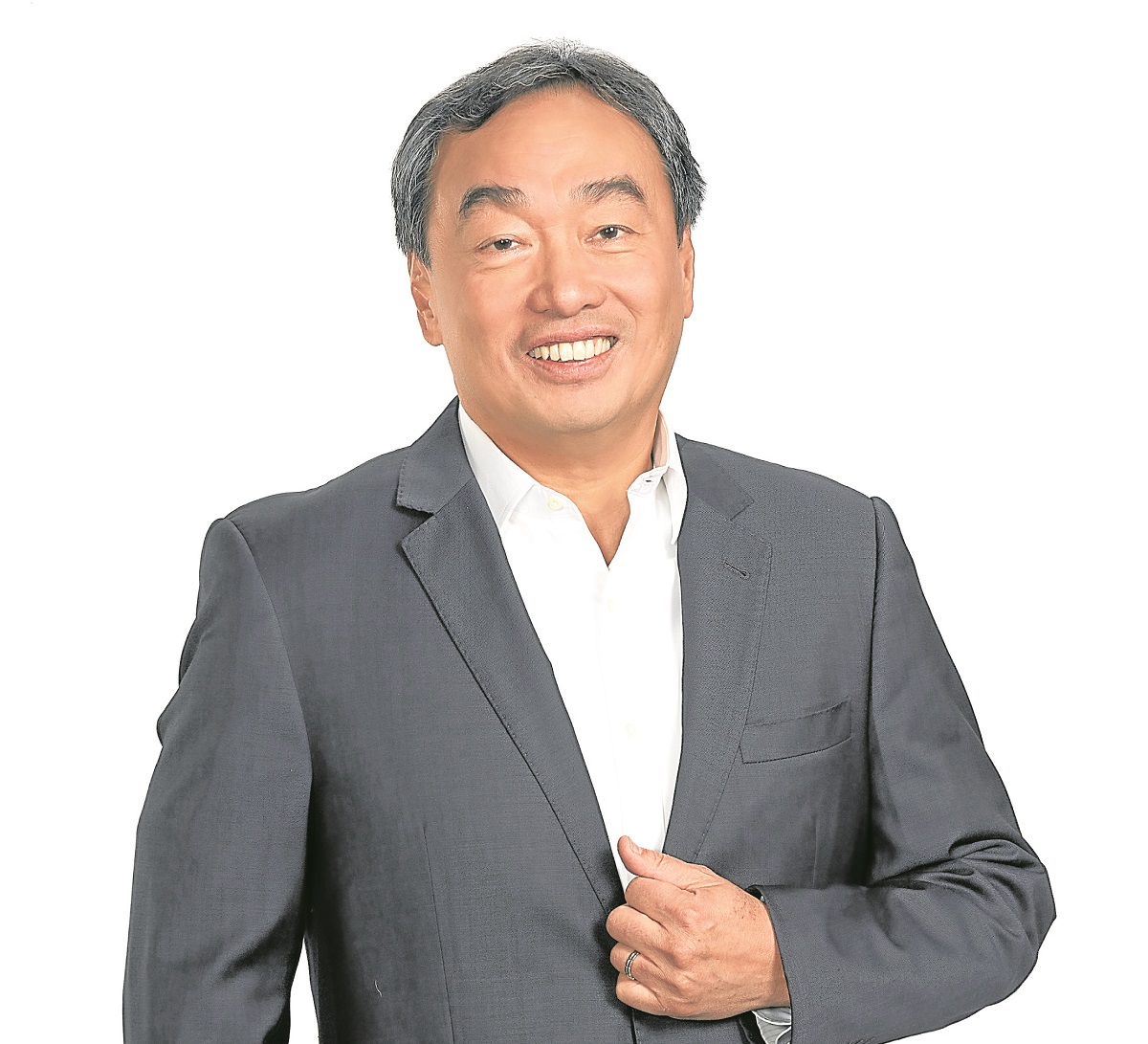
"We hope to get it very soon," UCPB president Ramon Sy said, referring to the fresh cash infusion.
But the Monetary Board did not approve other concessions sought by UCPB, such as exemption of the incoming government deposit from the reserve requirement.
For every P1 that banks accept as deposit, they are required to place 21 centavos in low-yielding, liquid assets with the BSP.
The sources said the BSP also vetoed parts of a business plan drafted by UCPB, such as the proposal to venture into bancassurance, or the sale of life insurance policies through bank branches.
The assistance package approved for UCPB is different from the financing scheme earlier extended to the bank and other large institutions. Instead of the BSP lending to the state-owned Philippine Deposit Insurance Corp., which is supposed to provide funding, the government itself will provide assistance to the bank.
The framework for this state assistance has been cleared by the Department of Justice, whose only requirement was for the BSP's policy-making board to approve the scheme.
The government has taken it upon itself to help UCPB because the bank is virtually the responsibility of the state--about 70 percent of its shares are under sequestration.
Although it is restricted by unresolved ownership claims, UCPB is under pressure to shore up capital due to more stringent accounting and capital adequacy requirements. Until the ownership issue is resolved and the legitimate owners can put in money, the bank can do little to raise funds unlike other banks.
The bank has been the subject of a long-running ownership dispute involving coconut farmers and businessman Eduardo Cojuangco, a close associate of the Marcos family. Most of the bank's shares had been sequestered by the Presidential Commission on Good Government after Ferdinand Marcos was ousted from power in 1986.
In 2003, the government provided at least P20 billion in cash advance to UCPB through the PDIC.
The assistance was prompted by heavy deposit withdrawals, following a Supreme Court ruling that the coconut levy funds used to put up the bank were public money.
UCPB has since pared down its debt with the PDIC and is renegotiating the terms of the remaining amount.
Established in 1963 as a commercial bank, UCPB grew to become the first private Philippine universal bank in 1981, enabling it to invest in non-allied businesses.