THE MONTH OF JANUARY was named by the Romans after Janus, the mythological god of doors and gates. What distinguished him was his ability to see both the past and the future, and was thus depicted as having two faces, one facing forward and the other backward. The first month of the year is indeed a time when we all look behind at the year just past, and anticipate what lies ahead. As usual, the economy dominates the picture in any such assessment, and as in any aspect of our lives, the way forward is always informed by lessons and experiences of the past.
Everyone knows by now that it has been a challenging year on the economic front, and the general outlook is a potentially even more challenging one in the year ahead. The constructive thing to do is to think of what we can do to minimize, if not avert, the difficulties to be brought upon us by the expected worsening of the economic downturn now afflicting the biggest economies of the world.
Looking inward
Many see the current challenges as being closely associated with, if not caused outright by that big bad G word, globalization.
Globalization is indeed a two-bladed sword. On one hand, we have benefited in past years from positive economic developments abroad, especially the rise of China and India as major economic powerhouses and how this also helped the traditional major economies of North America, Western Europe and Japan.
But like everyone else, we also suffer from the adverse developments, such as what the world is seeing now. Either way, the benefits or challenges to us come regardless of our own role in bringing about such international trends. And either way, it is important to understand and manage our own internal economy, and not merely go with the flow of seemingly inevitable external forces, whether positive or negative.
In the past, we had seen the need to guard against the problems that come along with the benefits of globalization--and there have been many, including its tendency to widen gaps among and within countries. Now, the need for an inward view is even more obvious, when the imperative of the moment is to shield ourselves from problems made beyond our shores.
Buying Filipino
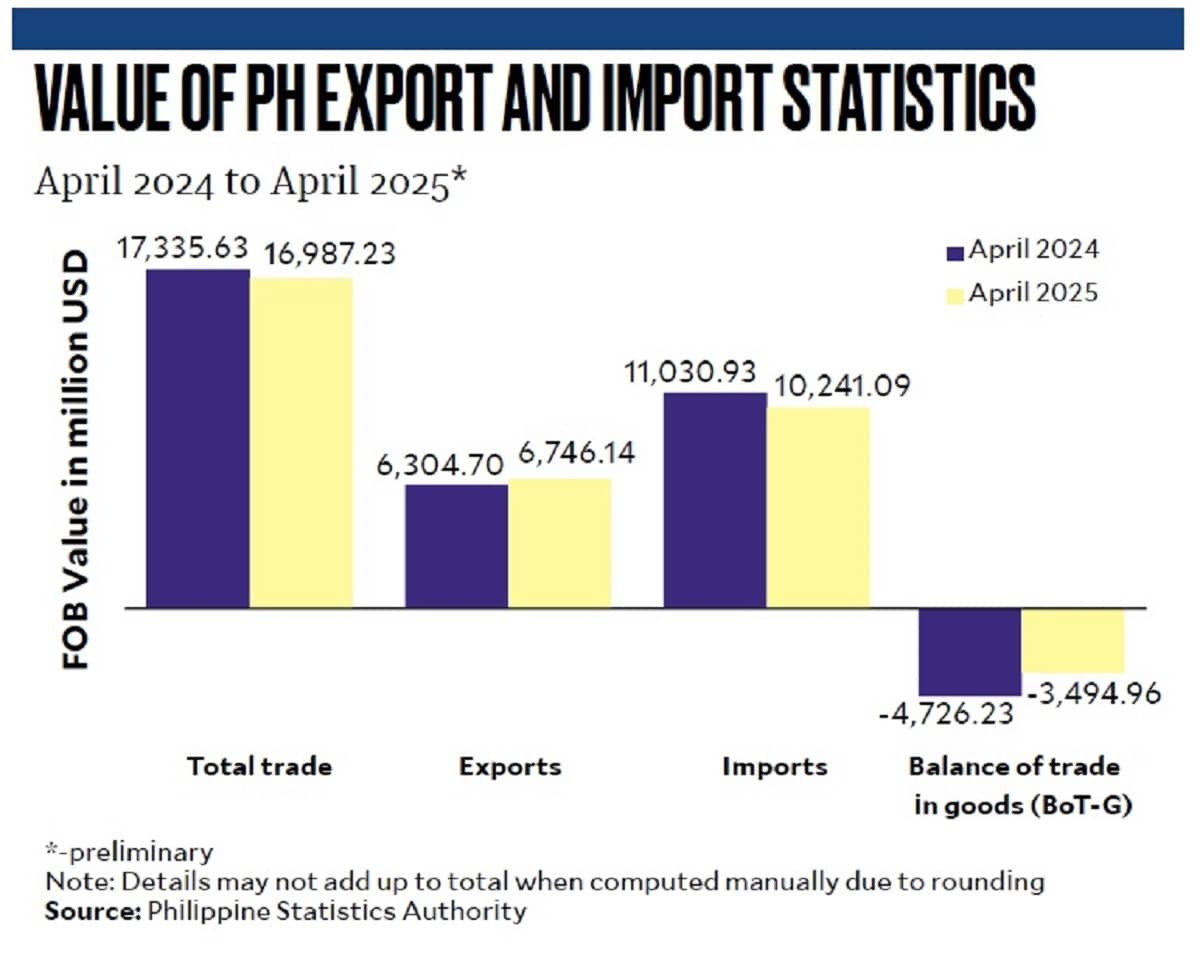
The common prescription these days on dealing with an imported financial crisis is to rely more on internal demand for our own products and services. There isn't much to expect from the export markets given the dramatic slowdown in consumption and investment spending in the big troubled economies that have also been the traditional dominant buyers of our exports. Apart from inducing local demand via deliberate hikes in government spending (something I have written about in recent columns), every Filipino can help boost internal demand by being more conscious about patronizing our own products.
We all know why it helps to choose a Filipino product over an imported one when we have the choice: Doing so supports Filipino jobs, particularly important at this time when close to 3 million Filipino workers are jobless. Also, buying Filipino saves our foreign exchange for more essential imports such as capital equipment that we cannot produce ourselves.
One of the welcome changes those of us over 40 have witnessed through the years is how we have come a long way from the erstwhile colonial mentality of Filipino consumers, for at least two reasons.
'Mental colony' no more
One, Filipino products have improved in quality over the years, and can stand on their own against their foreign counterparts--thanks to deliberate policies to open our economy to spur export competitiveness.
Two, imported, which in earlier days was synonymous to "stateside" or made in the USA, no longer connotes better quality in the mind of the average Filipino consumer--thanks, this time, to inferior quality if not outright dangerous imports from China, which figured prominently in the news especially in the past year.
Happily, the trend has permeated the arts as well, with young Filipinos today giving as much attention to original Pilipino music (OPM) as to imported hits. And the latter is no longer confined to western music either, as J-pop and K-pop (for Japanese and Korean) also find a following among Filipino youth. Better quality Filipino movies are also now attracting active patronage from the erstwhile Hollywood-oriented well-heeled among us.
Buying local
I personally try to take the "Buy Filipino" prescription one step further: I also consciously try to buy local--meaning from our own community--whenever possible. As a resident of Los Baños, Laguna, my family used to shop for our weekly groceries and much of everything else we needed in Manila. Now we consciously try to buy whatever we can from within our own town, with the view of helping the local economy and the jobs of our own town mates. It's also worthwhile, and often more convenient, to consciously buy from the smaller neighborhood store rather than the local branch of a large retail chain--a way of helping strengthen small enterprise. That way, we help bring about more broad-based economic growth and a better Philippine economy that benefits the greatest number of Filipinos.
A happy and resilient 2009 to us all!
Comments welcome at chabito@ateneo.edu