
Article Index |Advertise | Mobile | RSS | Wireless | Newsletter | Archive | Corrections | Syndication | Contact us | About Us| Services
 
Sat, Jul 04, 2009 07:53 PM Philippines      25°C to 33°C
  HOME       NEWS     SPORTS     SHOWBIZ AND STYLE      TECHNOLOGY     BUSINESS     OPINION      GLOBAL NATION    SERVICES
Advertisement
Robinsons Land Corp.
Xoom

INQUIRER ALERT
Get the free INQUIRER newsletter
Enter your email address:


Affiliates

 
Money / Inquirer Columns Type Size: (+) (-)
You are here: Home > Business > Money > Inquirer Columns

  ARTICLE SERVICES      
     Reprint this article     Print this article  
    Send as an e-mail     Send Feedback  
    Post a comment   Share  

  RELATED STORIES  


imns


No Free Lunch
10 key economic trends

By Cielito Habito
Philippine Daily Inquirer
First Posted 19:01:00 06/29/2008

Filed Under: inflation, Employment, Economic Indicators

TODAY we reach the halfway mark for this current year 2008, and everybody knows it's been a challenging year for the Philippine economy so far. Based on most recently available data on the economy, below are 10 key indicators that provide a good picture of how the economy has fared this year so far:

1. Prices are rising rapidly. The inflation rate has already hit double-digits outside of Metro Manila (10.2 percent), with food showing the steepest price rises, at 14.3 percent nationwide. Surging oil and food prices have been the primary culprit, and while this has been a global phenomenon, this gives little comfort to the average Filipino whose wages are being left even farther behind by the soaring cost of living.

2. Large numbers of jobs are being lost. The April labor force survey reported a net loss of 168,000 jobs over the past 12 months, with the industry sector taking the worst hit, with 244,000 jobs lost. Agriculture actually gained 46,000 jobs, while services produced 30,000 net new jobs.

3. Domestic production and overall income have slowed down across the board. The industry sector slowed down the most, with construction (particularly government construction) and manufacturing slowing down the most. Agricultural production likewise slowed down, and actually dropped -0.8 percent from last quarter's level. Services continue to lead the economy's growth, but its growth has also moderated to 6.9 percent from last year's 8.4 percent. Communications posted the slowest growth in recent memory, which at 4.3 percent is a far cry from the double-digit growth the industry had been accustomed to in past years. Water transport (sinking ferries notwithstanding) actually zoomed at 26 percent, and air transport at 13.3.

4. Personal consumption spending slowed down dramatically. The drastic slowdown is more obvious on a quarter-on-quarter basis; from an average 1.3-1.5 percent quarter-on-quarter growth in recent years (implying 5.2-6 percent annual growth), personal consumption grew only 0.3 percent in the first quarter, implying an annual growth of only 1.2 percent. Surging inflation is the clear culprit; rising prices always slow down people's spending, and slower wage remittances did not help either. And when people slow down on their purchases, so does the rest of the economy.

5. Fixed investment has rebounded. This is one of only two positive developments in this list. Private construction and durable equipment growth (led by electrical machinery, water transport equipment, agri machinery, road vehicles, aircraft, and mining equipment) has managed to offset the steep drop in public construction. Last year, election-related government spending propelled the unusual surge in economic growth, and the latest revisions on last year's growth data show just how dramatic this factor was. The 2007 second quarter (i.e., election period) growth in public construction was upped further from the earlier-reported 39.7 percent to a whopping 59.4 percent! Public spending has now returned to more normal levels (hence the recorded drop of almost 10 percent), but it is genuinely good news that private investment spending has managed to more than compensate for this.

6. Foreign direct investments dropped steeply. What makes the above even more good news is that overall investment growth happened despite the fact that net inflows (per BSP data) of foreign direct investments have dropped rather steeply this year (-75 percent in contrast to last year's 195 percent). This indicates all the more that private investments by Filipinos saved the day for us: They not only offset the big drop in public investment, but also the even bigger drop in foreign investments as well.

7. Government has reduced its spending. As already mentioned above, public construction dropped steeply, and government consumption spending has likewise gone down by 1 percent. Government had vowed to balance the budget this year, but this was clearly being pursued more by cutting back spending rather than by improving tax collection. It therefore gives little comfort that the government has posted surpluses in the last two months, keeping the budget deficit down to P18.8 billion so far.

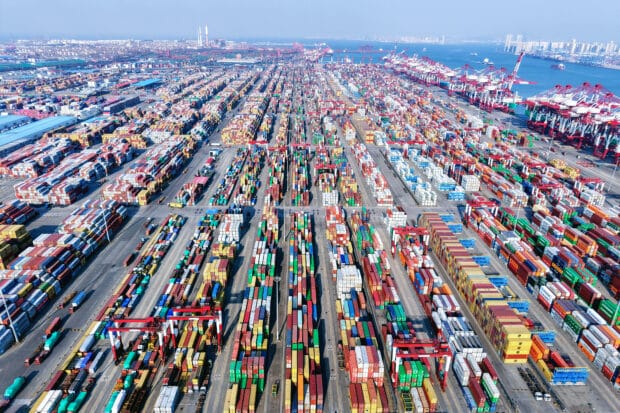
8. Exports have reversed dramatically. Last year's export growth of 11 percent is now mirrored by a drop of 11 percent. Imports, meanwhile, dropped even more steeply than they did last year. While business process outsourcing (BPO) still managed to grow, it slowed down to half (7.6 percent) of last year's growth (14.7).

9. Growth in net income inflows remained high. This is not so much because of a surge in inflows, but because of steep drop (-23 percent) in outflows. Wage remittances actually slowed down from last year. This is a trend worth watching closely, especially as the host economies of Filipinos abroad brace for even worse times.

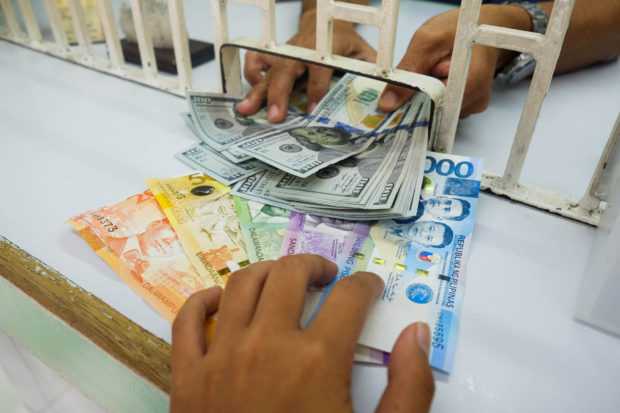
10. Gross international reserves grew by nearly half. BSP bought close to $11 billion last year, bringing reserves to $36.2 billion, or more than six months' worth of imports, from just $25.6 billion a year ago, or 4.6 months' worth of imports. This was largely to prevent the peso from appreciating faster, a problem which has now reversed itself as the doubling in oil prices within the past year has led to currency depreciation anew.

Overall, the year so far has been so much unlike last year, and Filipinos everywhere can feel it in their pockets. The year is only half way through, and unfortunately, things aren't exactly looking up. Hold on to your belt; it may need a little more tightening.

Comments welcome at chabito@ateneo.edu


Copyright 2009 Philippine Daily Inquirer. All rights reserved. This material may not be published, broadcast, rewritten or redistributed.


Share

RELATED STORIES:

OTHER STORIES:


  ^ Back to top

© Copyright 2001-2009 INQUIRER.net, An INQUIRER Company

The INQUIRER Network: HOME | NEWS | SPORTS | SHOWBIZ & STYLE | TECHNOLOGY | BUSINESS | OPINION | GLOBAL NATION | Site Map
Services: Advertise | Buy Content | Wireless | Newsletter | Low Graphics | Search / Archive | Article Index | Contact us
The INQUIRER Company: About the Inquirer | User Agreement | Link Policy | Privacy Policy

Advertisement
Inquirer Mobile
BizLinq
Inquirer VDO
Inquirer Blogs