





Oil prices extend rebound in Asia
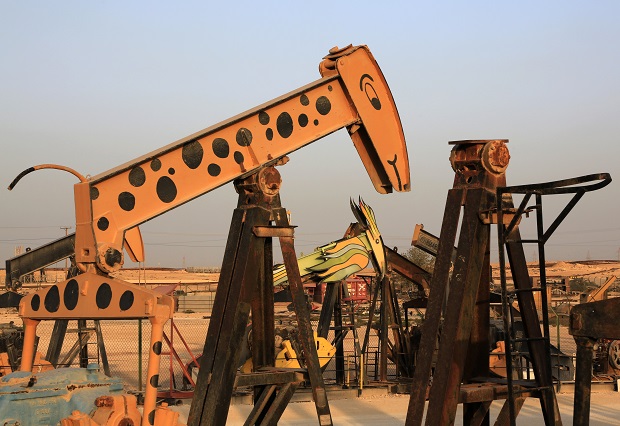
AP File Photo
SINGAPORE, Singapore—Oil prices extended their rebound in Asia Thursday, buoyed by a weaker dollar, bargain buying and fresh speculation of a possible output cut by the OPEC producers’ group.
Traders brushed aside bearish data showing another increase in US commercial crude inventories, but analysts said any rally in a market awash with barrels of oil is bound to be short-lived.
At around 0610 GMT, US benchmark West Texas Intermediate for delivery in March was up 32 cents, or 0.99 percent, to $32.60 and Brent crude for April was trading higher by 27 cents, or 0.77 percent, at $35.31. Both contracts closed steeply higher Wednesday.
The US Department of Energy said Wednesday that commercial crude stockpiles in the world’s top oil consumer soared by 7.8 million barrels in the week ending January 29.
That was almost double market expectations and took total crude inventories to 502.7 million, topping 500 million barrels for the first time on record, exacerbating market concerns over the global glut that has depressed prices for nearly two years.
Article continues after this advertisementDaniel Ang, an analyst with Phillip Futures in Singapore, said prices initially dropped on the inventories surge, but bargain hunters moved in as the dollar weakened, reversing the trend.
Article continues after this advertisementOil is traded in dollars so a softening of the US currency makes crude cheaper for holders of other units, perking up demand.
“When oil becomes cheaper, discount buying kicks in, pushing prices higher. So you see a bullish momentum forming,” Ang told AFP.
Comments by Ecuador, one of OPEC’s poorer members, that there might be a special OPEC meeting later this month have also revived hopes for an output cut, according to other analysts.
But Ang said any price rise must have a solid foundation, otherwise it would not last.
“The current trend now is that producers which are hurting very badly from the low oil prices would say there might be an output cut. But the countries that really have the influence are not saying anything,” he said.
“So I think we should wait for concrete movements not just hearsay.”
A price rebound last week driven by talks of possible coordination between Russia and OPEC to slash production fizzled out after traders realised there was no substance to it.
RELATED STORIES
Oil shares trounced as US, European stocks fall


