





Is modernism dying?
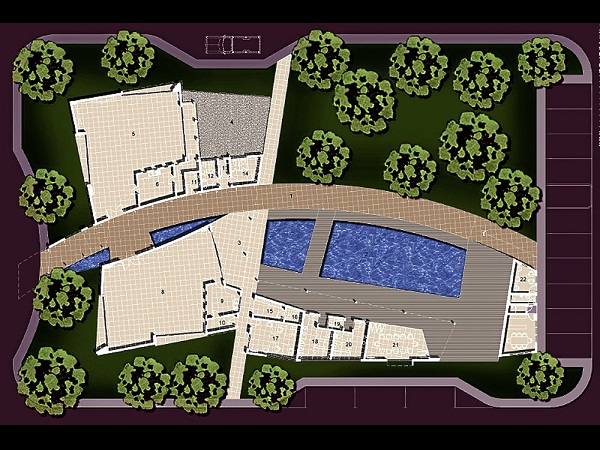
THE AMETTA Place Clubhouse in Pasig makes use of a fractal plan which allows the maximization of light and air. It also breaks what would have been one massive structure into smaller, more human-scaled buildings.
By modernism, I don’t refer solely to the aesthetic aspect known and exemplified by the work of architects and artists but I speak of the world view of modernism as it flourished in the late 1800s. With the advancement of the arts, sciences, commerce, literature and philosophy during this period, mankind’s understanding of the universe’s workings—nature and himself included—made him believe he could shape the world to his destiny. Reason and science seemed to be the prescription for success, abundance and the promise of a happier humanity—or simply said: of a good life.
The onset of the industrial revolution and the development of products and materials like glass and reinforced concrete paved the way for the rise of communities and cities. Monuments grew, buildings flourished and the immense scale of the classical structures returned with a vengeance. Not only were they massive in scale, they were also taller and possessed new building systems like steel framing, glass skins and mechanical ventilation.
These structures rebelled against the ornamentation of classicism and had straightened embellishments into simple geometric designs, or have pared them down to none at all. Modern designers looked at their products like machines, embraced advanced technologies and explored the notion of production on a mass scale.
Progress
The modern built world represents what humans look upon as progress: computers and the exponential distribution of information; automobiles, roadways, suburbs and urbanization; skyscrapers, large shopping malls and multi-use complexes that created indoor worlds and “protected” humans from the workings of nature; mass transport systems that linked territories and blurred identities. Indeed man thought that with enough reason and intelligence, he could achieve anything.
Ironically, after many years of mindless consumption in the pursuit of this utopian ideal, the western world is down on its knees! It has also brought architects, designers and engineers to rethink the purpose of architecture and design, and to align their creations with the basic need to feel human.
The depletion of material wealth has brought a greater respect for the immaterial and for the resources that have fed our appetites to false satisfaction. Thus, we see instead the flourishing of organic farming, social entrepreneurship, recycling and sustainable practices, among many others. Communities have become less “ethnocentric” and have developed an awareness for the connectedness—and the common goal—of humanity.
Signs of awareness
The design industry alone has begun to show signs of this awareness with certain inclinations in design approach:
• The promotion of sustainable design advocates “green” methods in design and also considers the negative effects of synthetic and volatile materials on the physical and emotional wellness of man and his quality of life.
• The localization of both design concepts and materials infuse character and identity to a globalized environment and develop that sense of pride and kinship with the community.
• The popularity of broken-up and fractalized spaces and buildings, the avoidance of massive structures and the creation of smaller environments sensitive to human scale, diminishing the disconnect between man and his environment.
• Natural wind, light and air are harnessed rather than disregarded or replaced with artificial means.
• The appreciation for the handcrafted, more soulful and innate art is preferred over the mass-produced or machine-made.
• The creation of more common social spaces within large communities fosters the sense of belonging and community that the grand scale of modern spaces has disregarded.
• The “deconstruction” of existing structures and reuse of materials and fittings for either cost savings or the preservation of heritage or history.
So will the modern aesthetic die as well? Not as we know it.
The term “Modern” is from the Latin term “modernus” meaning “right now” and was coined to describe the new aesthetic that rejected the traditional systems of the world. But we are not returning to the traditional systems and we are continuing to evolve from them. This time, we are infusing more humane values and the recognition and respect for the powers of nature. Hopefully, we can fill the gaps of dissatisfaction.
That is, right now, what should constitute a good life.
Contact the author through [email protected] or through our Asuncion Berenguer Facebook account.


