





OFWs want more say over how remittances are spent


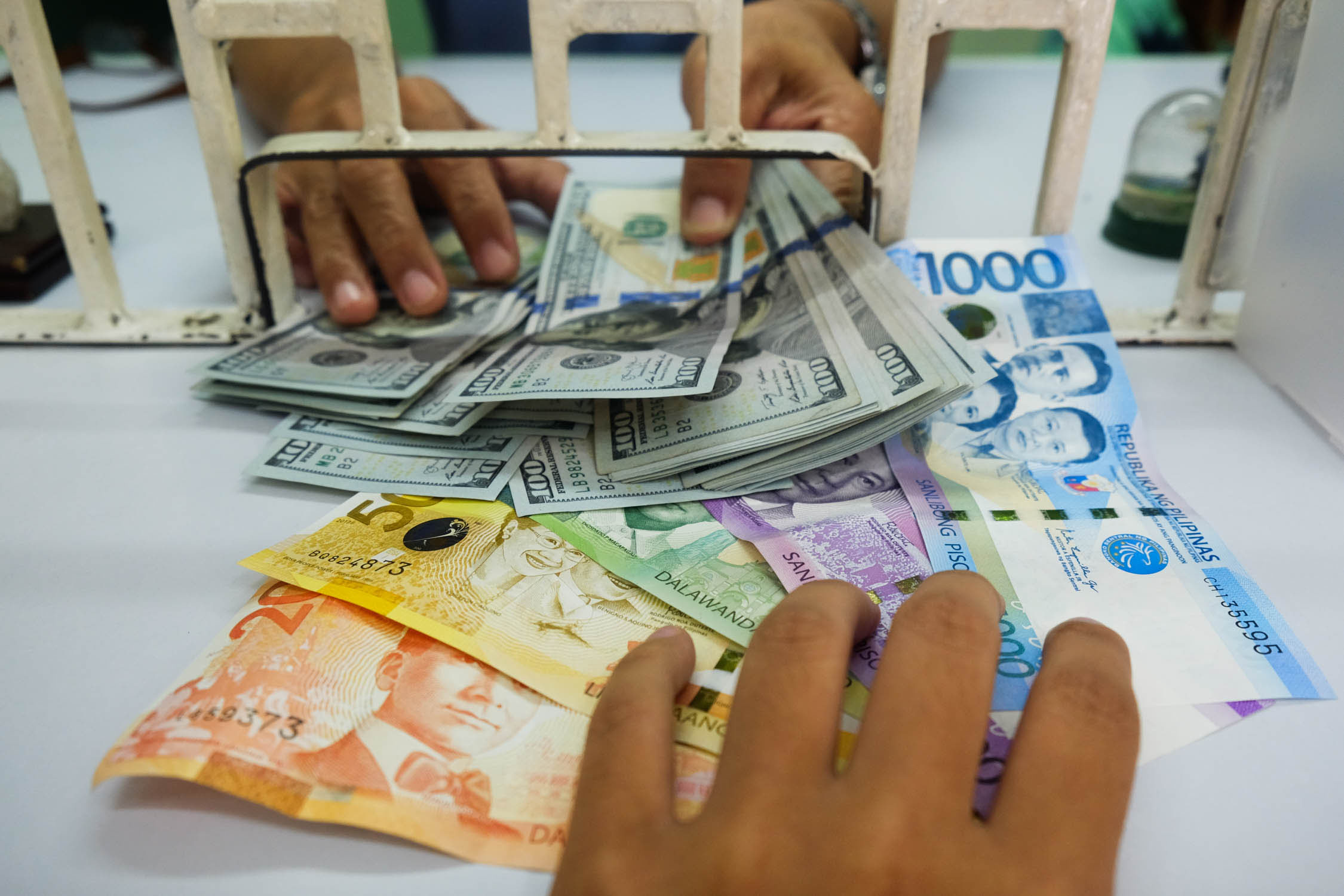
MANILA, Philippines – Even as they continue to send a significant chunk of their earnings back home, overseas Filipino workers (OFWs) are seeking greater influence over how their remittances are spent, especially on nonessential expenses, according to a new study by Boston Consulting Group (BCG).
In its inaugural “The Filipino Abroad” report, which surveyed 1,337 OFWs across the United States, United Kingdom, Middle East and Asia, BCG found that many Filipinos working abroad continue to play an active role in family decision-making despite the physical distance.
READ: PH remittance growth slows to near 3-yr low
This comes even as less than half of the surveyed OFWs consistently monitor how the money is used after it reaches their families. Only 8 percent said they always ask for receipts, while 10 percent said they regularly ask another person to verify spending.
As such, a significant share of OFW respondents expressed a desire for greater control over household spending decisions.
This demand for oversight was lowest for essential expenses such as medical costs, groceries and education, where between 30 percent and 33 percent of OFWs said they wanted more control. However, this rose to 41 percent for nonessential spending.
“OFWs are largely comfortable funding the things that matter most and trusting the family to manage them,” BCG said. “What generates friction is spending they cannot see, on choices they did not approve, funded by money they sacrificed to send.”
Reaffirming that finding, OFWs’ involvement in their families’ dining and leisure decisions dropped by 26 percentage points after migration, while participation in medical and education-related decisions fell by only 10 percentage points.
“OFWs lose influence over where the family eats. They do not lose influence over whether a child stays in school or a parent sees a doctor,” the report said.
Tension over financial support, education
According to the study, family conflicts increased most around financial support and children’s education, both rising by 11 percent after migration, followed by medical decisions at 8 percent.
Still, the report found that OFWs were heavily involved in supporting their families.
About 37 percent of respondents said they put their family’s needs ahead of their own spending priorities, more than the 14 percent that said they put themselves first, while 90 percent said they send money home at least once a month. INQ


