





Energy concerns may drive executives out of PH


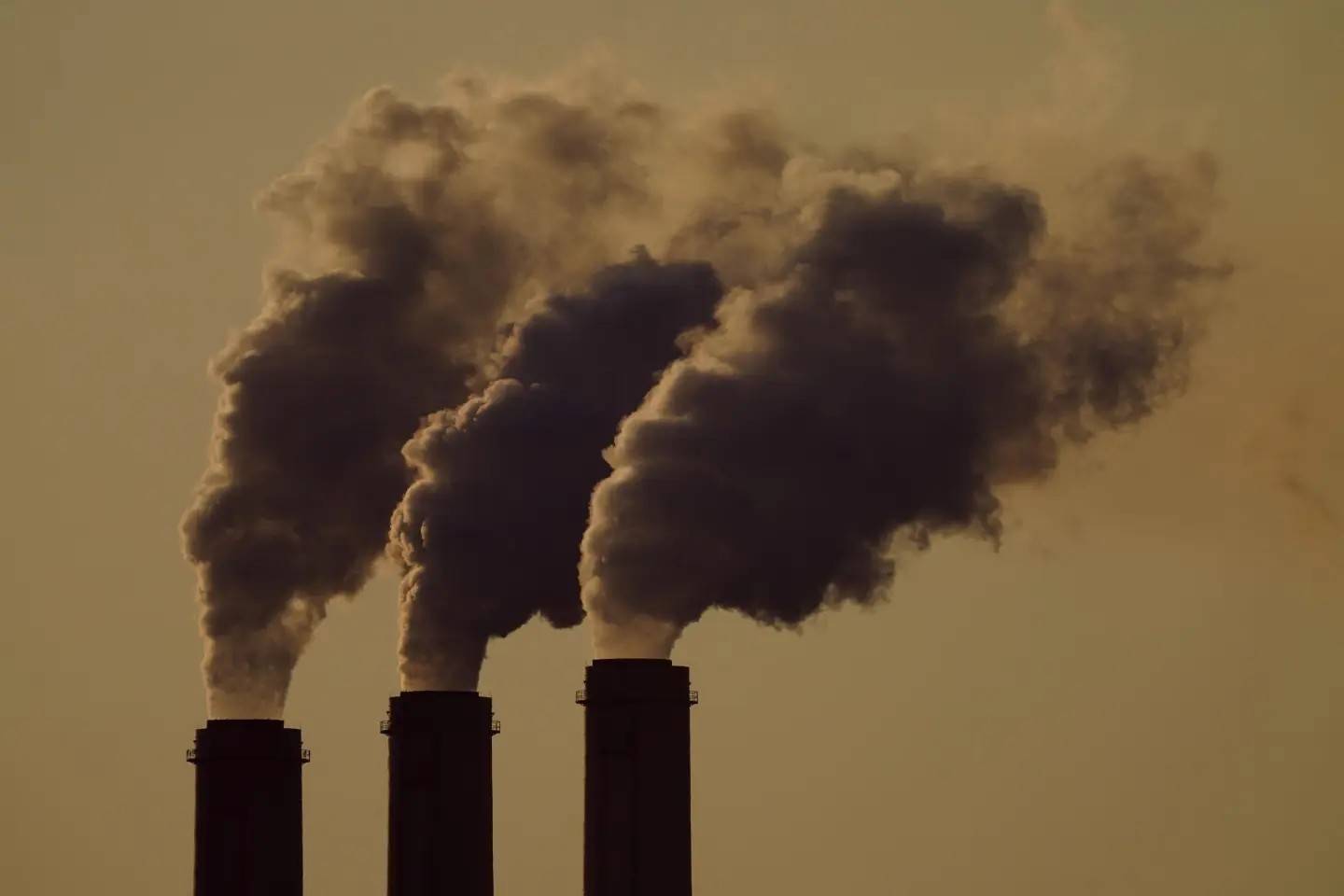
MANILA, Philippines – A significant number of business executives may exit the Philippines amid concerns over power stability, with the country heavily relying on fossil fuel imports, according to a survey.
The poll—commissioned by E3G, We Mean Business Coalition and the Global Renewables Alliance—showed that 92 percent of Filipino business leaders said that the local market was “too reliant” on power imports.
READ: DOE in talks with foreign embassies for fuel supply
The report noted that it was the “highest figure” logged among all 18 countries surveyed.
Nearly 2,000 business executives working in medium-sized and large organizations across the world participated in the survey.
About 78 percent of the local participants also said they were open to exploring opportunities abroad if the Philippine government fails to provide strong backing for electrification.
Eighty-nine percent of them even said that government policies were “moving too slowly” to ensure businesses’ power needs are met.
The country’s vulnerability was highlighted during the height of the Middle East war, as it scrambled to find new suppliers of petroleum products following the closure of the crucial waterway, Strait of Hormuz.
While government officials insisted that oil consumption for power generation was not as big as transportation, consumers still felt the impact as the elevated fuel prices and supply disruptions led to higher prices for coal and liquefied natural gas.
Coal remains the king in the local electricity generation mix, despite a push for more renewable energy assets.
READ: Marcos counting on coal imports for stable power
Based on the overall coal statistics posted by the Department of Energy, the Philippines imported 28.861 million metric tons (MMT) of coal in 2020, 31.431 MMT in 2021, 32.910 MMT in 2022, 35.535 MMT in 2023, and 39.872 MMT in 2024.
Now, Filipino business leaders call for more aggressive efforts to accelerate the shift to clean electricity.
“The message from businesses is clear: in a world of fossil fuel volatility, clean electrification is the smart choice for energy security, competitiveness and growth,” Stientje van Veldhoven, Dutch Climate and Green Growth minister, said in a statement. INQ


