





PH remittance growth slows to near 3-yr low


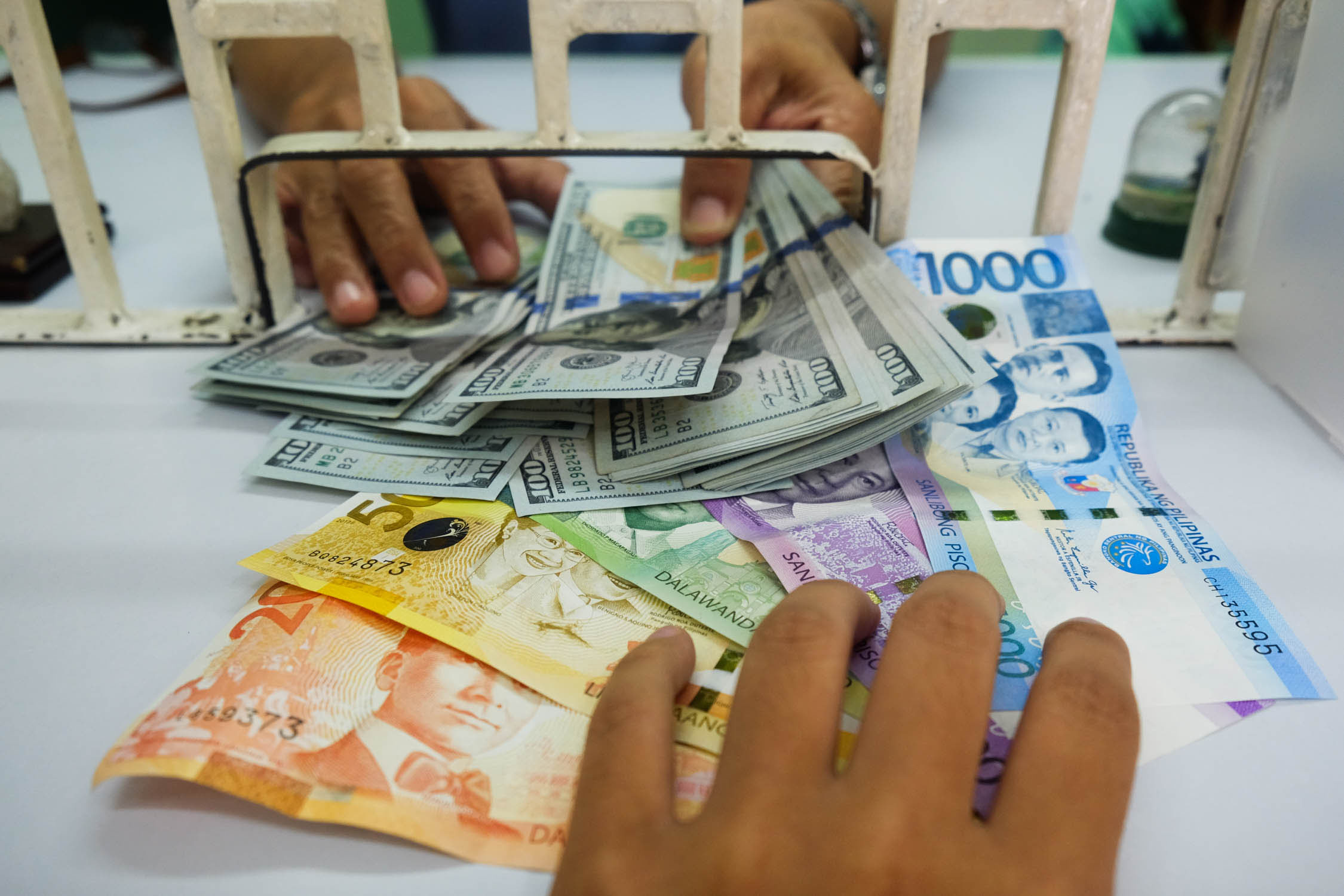
INQUIRER FILE PHOTO
MANILA, Philippines – Cash remittances grew at their slowest pace in nearly three years in March, as higher consumer prices amid a global oil shock tied to the Middle East conflict constrained the ability of Filipinos overseas to send money to their families back home.
Latest data from the Bangko Sentral ng Pilipinas (BSP) showed cash remittances coursed through banks grew just 2.3 percent from a year earlier to $2.87 billion during the month.
READ: Philippine remittance growth slows to nearly 2-year low in February
That was the weakest pace of increase since June 2023, when inflows went up 2.1 percent.
In the first quarter, cash remittances grew 2.8 percent to $8.68 billion, equivalent to 7.4 percent of the country’s gross domestic product.
Ruben Carlo Asuncion, chief economist at UnionBank of the Philippines, said the March figure reflected a normalization after strong holiday inflows as well as global headwinds from the Middle East conflict. Inflows from Gulf countries accounted for about 18 percent of total remittances to the Philippines last year.
Asuncion added that a weaker peso—now beyond the 61-per-dollar level—may have supported conversion values, but this was offset by tighter financial conditions and slower global growth.
“While overseas employment remains broadly stable, higher cost of living and elevated inflation in host economies are starting to constrain the ability of workers to send more funds, which is tempering year-on-year growth,” he said.
Despite the war, now in its third month, the BSP kept its forecast for 3-percent remittance growth this year and in 2027, saying there are no signs of mass repatriation or widespread deployment bans.
The central bank added that remittances will “remain a key source of external stability.” Unlike private capital, which typically retreats during economic downturns or natural disasters, remittances often swell as expatriates step in to provide relief to their families back home. INQ


