





War-driven cost surge might hit PH packaging sector


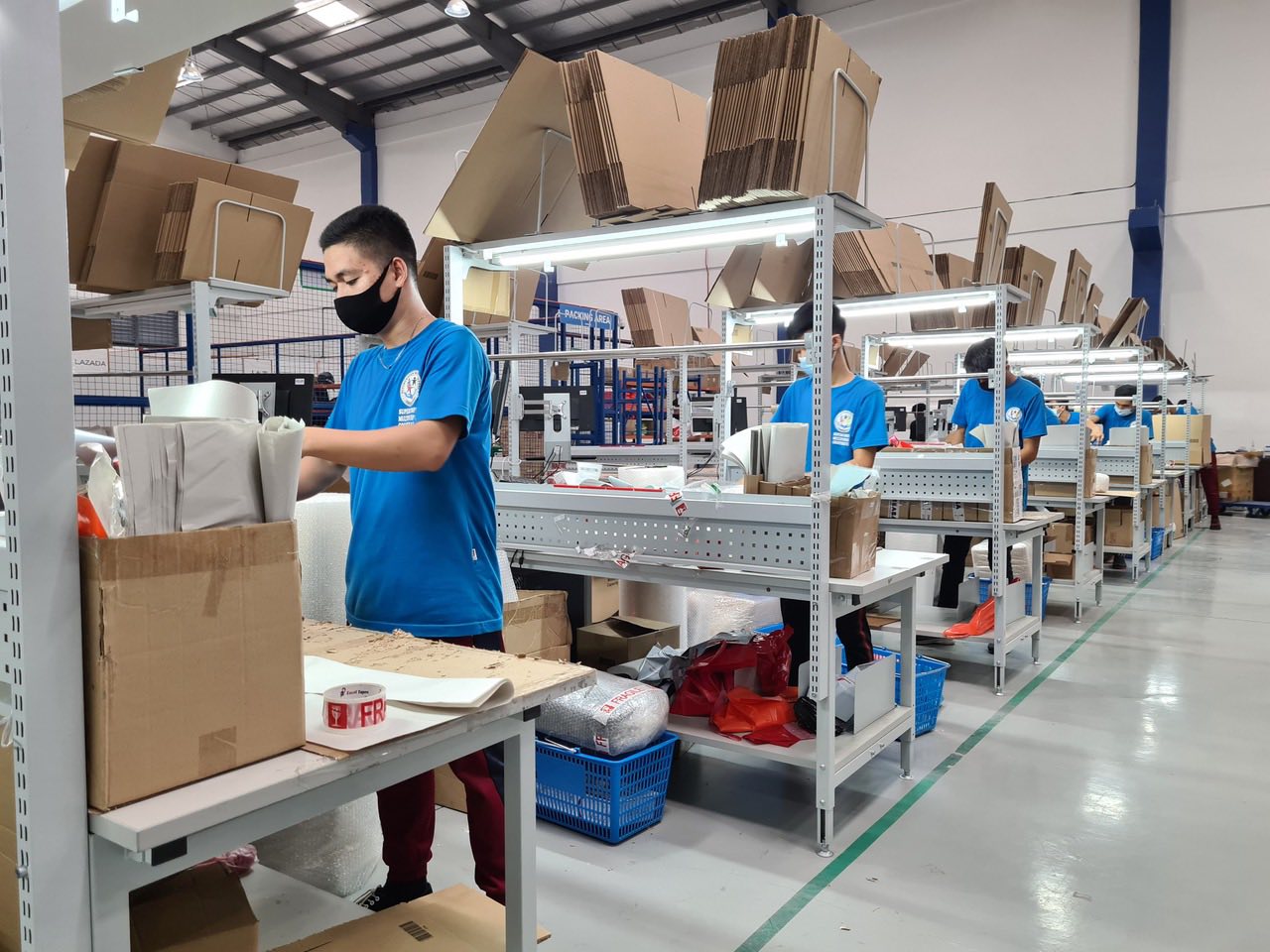
File photo
MANILA, Philippines — It’s not just the goods that are exposed to the Iran war but also the packaging that they come in.
This is according to Systembrand Group, a branding and communications firm, which warned on Friday that higher fuel costs may push up prices of key packaging materials.
This is particularly the case with petroleum-based plastics, which are widely used in food, beverage and personal care products.
READ: Packaging maker fires up factory in Cavite
Often an overlooked component in pricing, packaging could emerge as a major pressure point as oil-linked inputs and logistics costs climb, the group said in a statement.
“Rising oil prices and supply chain disruptions threaten to drive up packaging costs and consumer goods prices in the Philippines,” it added.
Systembrand said the impact is expected to be felt across a wide range of goods—from coffee and cooking oil to canned food, dairy products and packaged snacks—in which packaging materials, such as plastic, aluminum and glass, account for a significant share of costs.
The group noted that both the global packaging market (estimated at $1.11 trillion in 2025) and the Philippine industry ($78 billion) are highly exposed to oil price volatility. This, in turn, affects raw materials, logistics and trade flows.
Plastic packaging is seen as among the most vulnerable, given its reliance on petrochemical inputs. These include PET bottles and jars for beverages and condiments as well as HDPE, LDPE and polypropylene materials used in food, personal care and other retail products.
Plastics to take big hit
The food and beverage sector, which accounts for about 40 percent of global plastic packaging demand, is expected to be particularly affected.
Citing commodity journalist Sara Warden, Systembrand said packaging costs in the bottled segment could rise by as much as 45 percent if the conflict persists.
READ: Dumping sachet as packaging
In the Philippines, the impact could be more pronounced due to the widespread use of single-use sachets in the “tingi” market, Systembrand said.
“Sachets are ingrained into the Filipino consumer’s mindset and culture,” it said.
Data from the Global Alliance for Incinerator Alternatives showed Filipinos use around 164 million sachets daily.
“Rising packaging costs will, in turn, affect consumers, creating issues of unaffordability,” Systembrand said. “Packaging plays a big role in this market economics.” INQ


