





Electricity supply looks ‘sufficient’ for summer months–ICSC


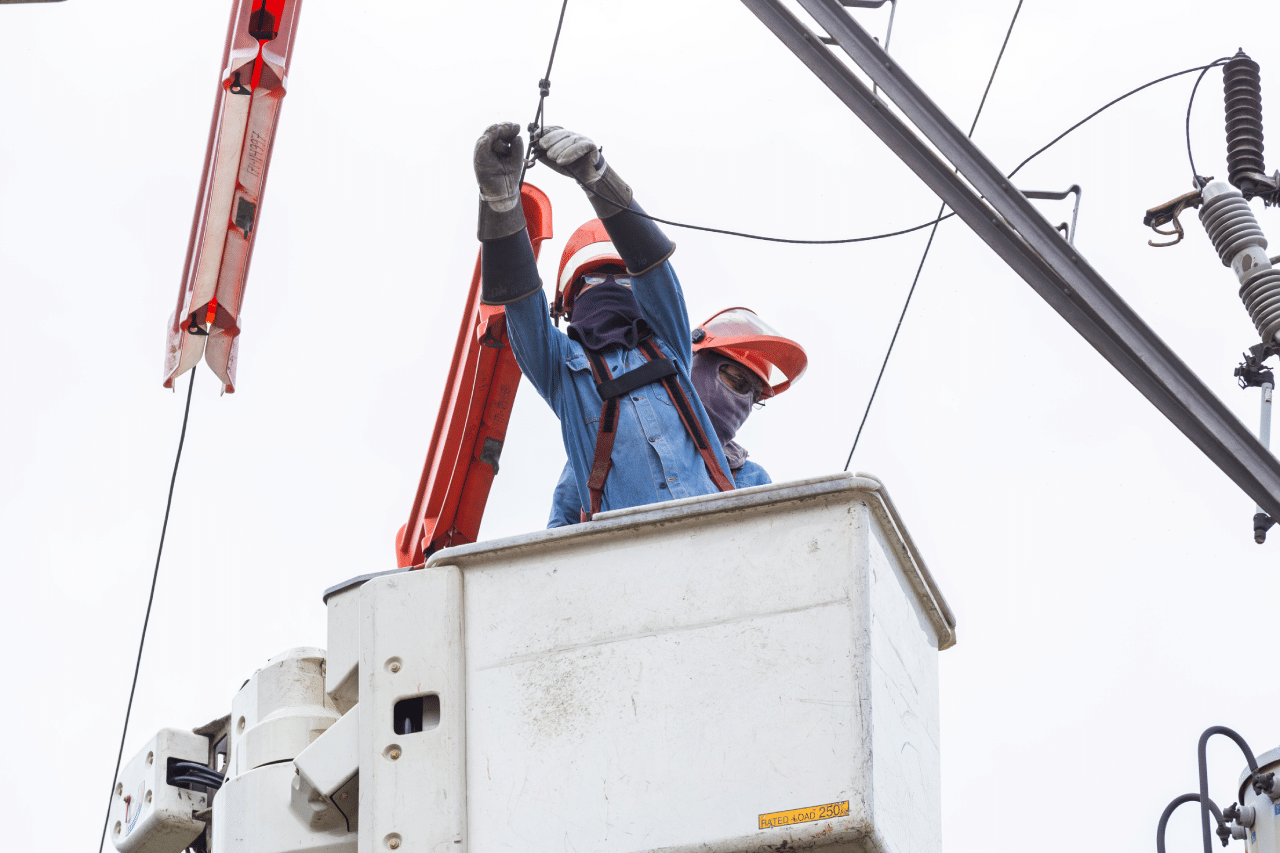
FILE PHOTO
MANILA, Philippines — The country’s electricity supply is still “sufficient” for the hotter months, but thin reserves — and the impact of the Middle East war — could leave the market vulnerable to power interruptions, according to a think tank.
Based on a report from the Institute for Climate and Sustainable Cities (ICSC), the Luzon, Visayas and Mindanao grids are expected to have enough supply for the second quarter, or during the warm and dry season when households and businesses consume more power to cool down.
The Luzon grid, for instance, could support the surge in demand with the timely delivery of committed capacities in the first semester. These include Phase 1 of the MTerra solar project and the Bugallon solar power project, with a combined capacity of more than 2,000 megawatts (MW).
READ: NGCP welcomes Terra Solar’s 2,500 MW to the grid
The Visayas grid is likewise seen keeping normal reserves, with Luzon and Mindanao backing the situation with about 700 MW of supply.
Regions in this main island, however, may still record yellow alerts in May.
In a yellow alert, the power supply can still meet demand, but it will serve as a warning that when a plant breaks down one way or another, it will result in brownouts.
Margins at risk
The Mindanao grid, on the other hand, also has an adequate supply even as it exports power to the Visayas. Its “tightest period” is projected by late April.
ICSC said that while the outlook could be an assurance, the supply margins “remain highly vulnerable to changes in demand, delays in project completion, unplanned outages of major power plants and constraints in the high-voltage direct current lines.”
READ: Climate resilience through renewable energy
“If additional power plants go offline beyond what is expected, this could further aggravate the power outlook and potentially lead to a more grave outcome, as available supply would be reduced,” said Jephraim Manansala, ICSC’s chief data scientist and one of the authors of the Philippine Power Outlook report.
The grid operator placed the Visayas grid under yellow alert in January, its first alert issuance this year, despite the month being “considered a period of low demand,” ICSC said.
“This grid alert highlights the structural vulnerabilities that persist in the Philippine power system; it demonstrates that power supply challenges are not solely driven by high summer demand but are fundamentally linked to chronic forced outages of baseload plants and inadequate reserve margins,” said report coauthor and ICSC senior data analyst Charles Jason Diaz.
Middle East impact
The report, however, had yet take into account the crisis in the Middle East, which has resulted in skyrocketing global oil prices while threatening supply.
But it noted that the impact of the situation in the oil-producing region has “exposed energy security risks in the Philippines,” since the country is heavily dependent on imported fossil fuels for power.
READ: Marcos declares national energy emergency
Based on the overall coal statistics posted by the Department of Energy (DOE), the Philippines imported 28.861 million metric tons (MT) of coal in 2020, 31.431 MT in 2021, 32.910 MT in 2022, 35.53 MT in 2023 and 39.872 MT in 2024.
But DOE Secretary Sharon Garin said earlier that Indonesia, a major coal provider, had given assurance of a steady supply of orders for the Philippines.
Coal remains king in the local power generation mix as it is the cheapest yet delivers the most stable operation.
On top of rising pump prices, Filipino consumers likewise face expensive electricity rates starting April. For power spot prices alone, rates are seen climbing by up to P4 per kilowatt hour. INQ


