Oil prices open higher, past $100/barrel as war in Middle East rages

Oil prices open higher, past $100/barrel as war in Middle East rages

/ 07:44 AM March 16, 2026
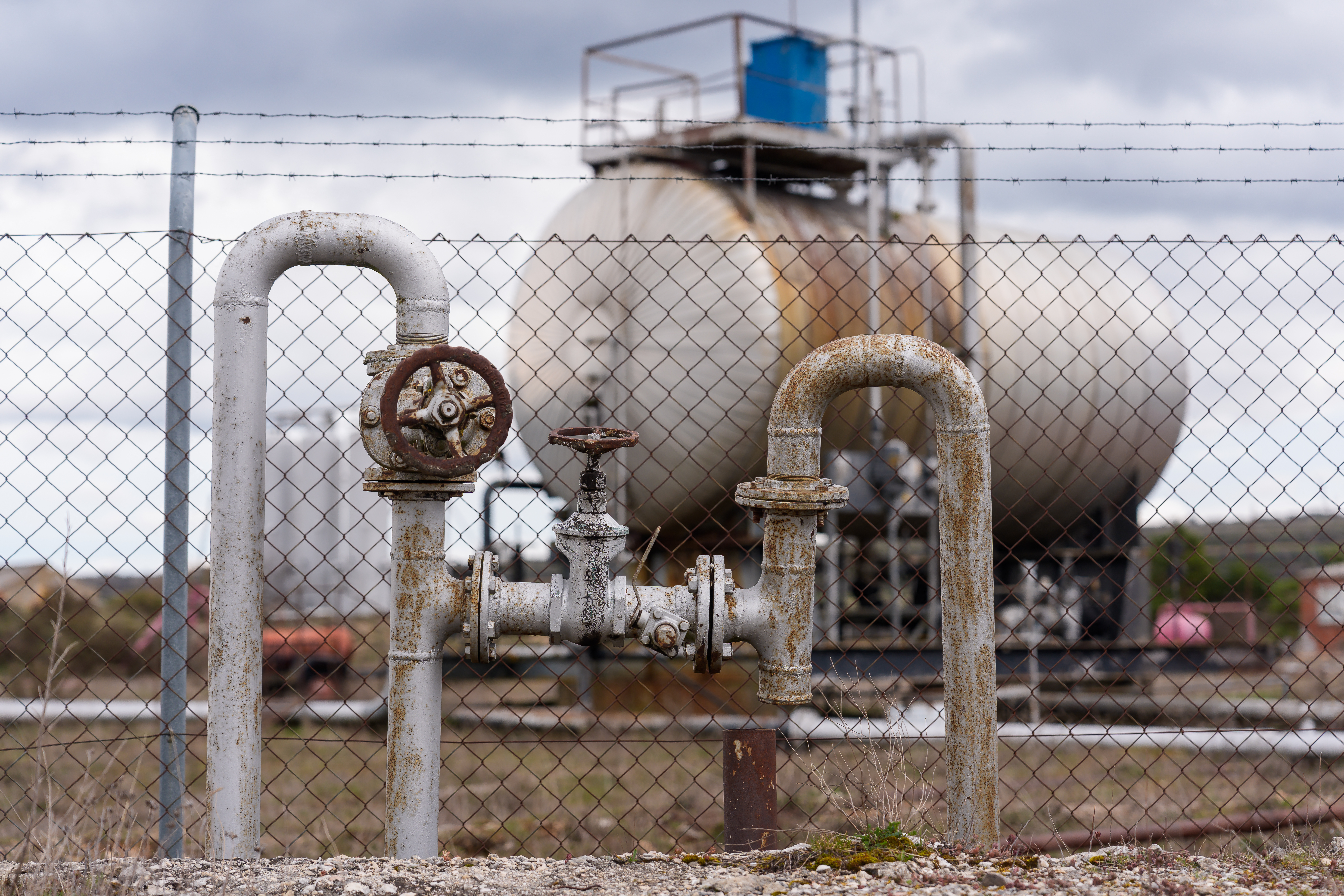
Rusted pipes, hand-valves are seen with a weathered storage tank in the background at an obsolete oil field in Sargentes de la Lora on March 13, 2026, near Burgos in northern Spain, where oil first flowed in Spain in 1964. Spain's leftist government yesterday said it would soon present a plan to contain the Middle East war's impact on electricity and fuel prices in one of the most dynamic developed economies. The closure of the Strait of Hormuz, a vital waterway for oil and gas exports from the energy-rich Gulf, following the US-Israeli strikes on Iran from February 28 has roiled world energy markets. (Photo by Cesar MANSO / AFP)
Rusted pipes, hand-valves are seen with a weathered storage tank in the background at an obsolete oil field in Sargentes de la Lora, near Burgos in northern Spain, where oil first flowed in Spain in 1964. Spain’s leftist government said it would soon present a plan to contain the Middle East war’s impact on electricity and fuel prices in one of the most dynamic developed economies. The closure of the Strait of Hormuz, a vital waterway for oil and gas exports from the energy-rich Gulf, following the US-Israeli strikes on Iran from February 28 has roiled world energy markets. (Photo by Cesar MANSO / AFP)

WASHINGTON, United States – Oil prices kept rising as markets opened Sunday, with both benchmarks higher as the war in the Middle East disrupts global supplies.

Around 2245 GMT, shortly after the Chicago Mercantile Exchange opened, US benchmark West Texas Intermediate rose 2.54 percent to $100.22 a barrel, while the price of Brent, the international benchmark for oil, was up 2.88 percent to $106.11 a barrel.

READ: jumbo-oil-price-hike-seen-at-up-to-p22-30-liter-on-march-17

Article continues after this advertisement

The rise was lower than price surges seen during market sessions in the past two weeks.

FEATURED STORIES

With Gulf states slashing production and oil tankers stuck in the Gulf, benchmark oil prices have risen 40 to 50 percent since the United States and Israel first attacked Iran on February 28, threatening to curb growth and stoke inflation.

The Strait of Hormuz, which usually sees passage of 20 percent of global oil and gas exports, remains effectively shut.

‘Short-term pain’

US Energy Secretary Chris Wright said Sunday the closure is “short-term pain” causing higher prices, adding that the war could end “in the next few weeks.”

The International Energy Agency has warned that the Middle East war “is creating the largest supply disruption in the history of the global oil market.”

US and Israeli strikes on Iranian targets — including the oil export hub of Kharg Island — have also disrupted supplies.

Your subscription could not be saved. Please try again.
Your subscription has been successful.

Subscribe to our daily newsletter

By providing an email address. I agree to the Terms of Use and acknowledge that I have read the Privacy Policy.

TAGS: economy, Middle East, oil prices

Your subscription could not be saved. Please try again.
Your subscription has been successful.

Subscribe to our newsletter!

By providing an email address. I agree to the Terms of Use and acknowledge that I have read the Privacy Policy.

© Copyright 1997-2026 INQUIRER.net | All Rights Reserved