





Lalamove targets 20K drivers for ride-hailing unit


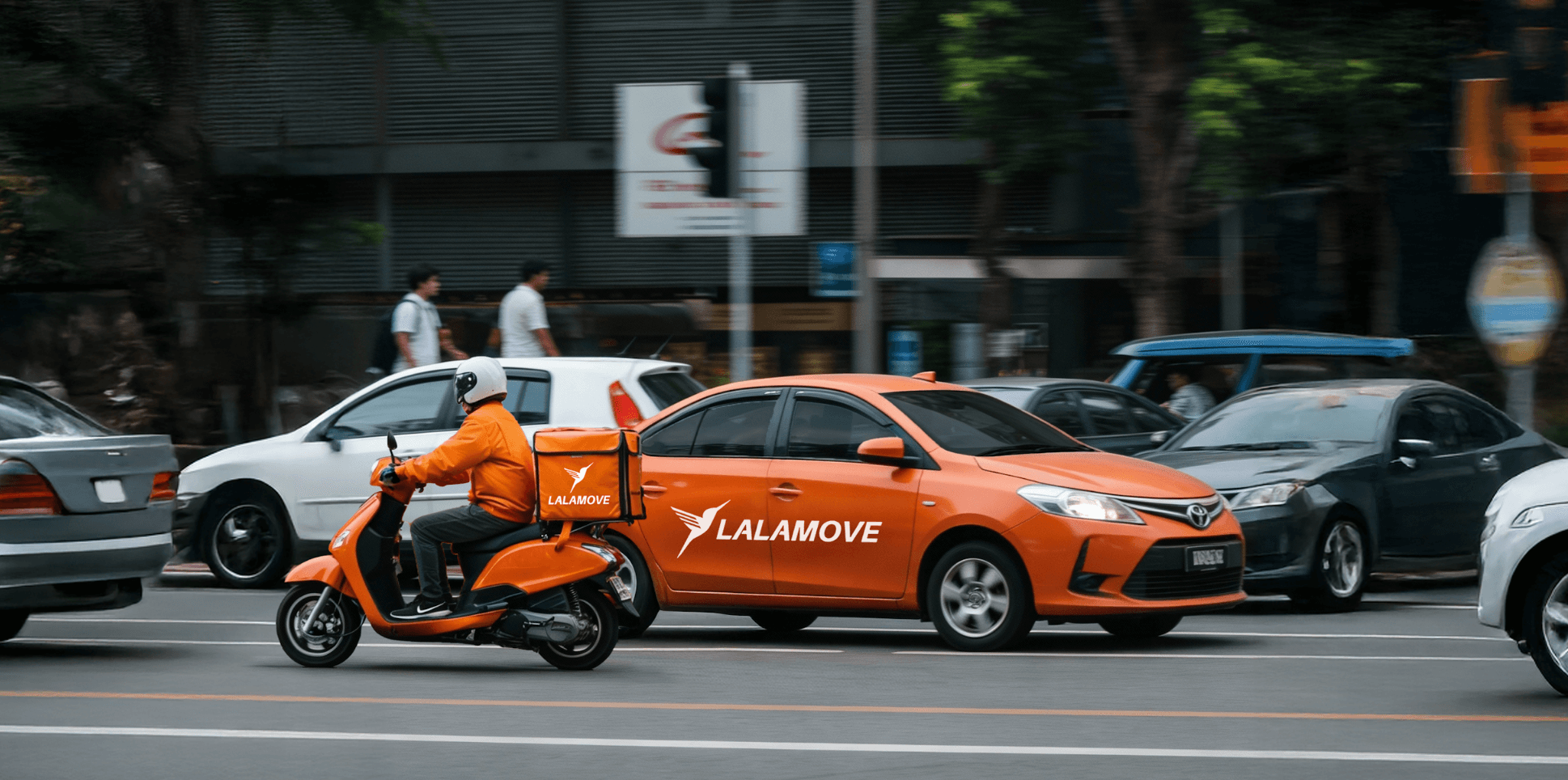
MANILA, Philippines – On-demand delivery platform Lalamove Philippines is targeting to onboard about 20,000 partner-drivers by June as it hopes to get a bigger slice of the ride-hailing market.
Dubbed “Lalamove Ride,” the segment was launched in the sector early last year as the group hopes to retain its network of drivers by providing them with an additional income stream.
READ: need-an-affordable-ride-and-delivery-lalamoves-2-in-1-app-has-got-you-covered
Currently, it has more than 10,000 registered drivers servicing Metro Manila and nearby areas, Pampanga and Cebu.
Most of its riders with ride-hailing service permits are concentrated in the capital region, while the service in Cebu is yet to gain significant traction due to low awareness.
“We aim to double it by [the middle] of this year… Because of the last Christmas and Valentine’s, our demand for the ride-hailing tripled since our January launch. So we need to catch up on the supply,” Trisha Apostol, Lalamove Philippines country marketing manager, said in a roundtable discussion on Tuesday.
Apostol said the company would accelerate its awareness campaign for Lalamove Ride, especially as both delivery and ride-sharing options are available on the same app.
Better awareness
“In terms of volume, we could grow a bit more. So it’s on the awareness side that we need to build further,” she said.
The official also noted Lalamove is “not really restricting,” which means the drivers can still operate on multiple ride-hailing platforms.
Asked if the surging local fuel prices, blamed on a war in the Middle East, could discourage potential drivers from entering Lalamove Ride, Apostol said they only see “some stabilizing in new registrations for a certain period.”
“But it passes, let’s say, in two weeks or a month. So when it becomes prolonged, that’s when we revisit our rate,” she said.
Lalamove Philippines has been in the delivery market since 2016, but the group realized significant growth in 2020, when businesses and households relied on delivery services as the COVID-19 pandemic reduced mobility.
It covers 48 areas across Luzon and Cebu.


