





Energy prices soar on Iran war fallout, stocks mostly fall


NEW YORK, United States – Oil and gas prices soared, stock markets mostly retreated and the dollar rallied on Monday as the widening Iran war shook financial markets across the globe.
European natural gas prices surged more than 39 percent after Qatar’s state-run energy firm said it had halted liquefied natural gas production following Iranian attacks on facilities at two of its main gas processing bases.
READ: https://globalnation.inquirer.net/311960/war-widens-to-include-iranian-backed-militias
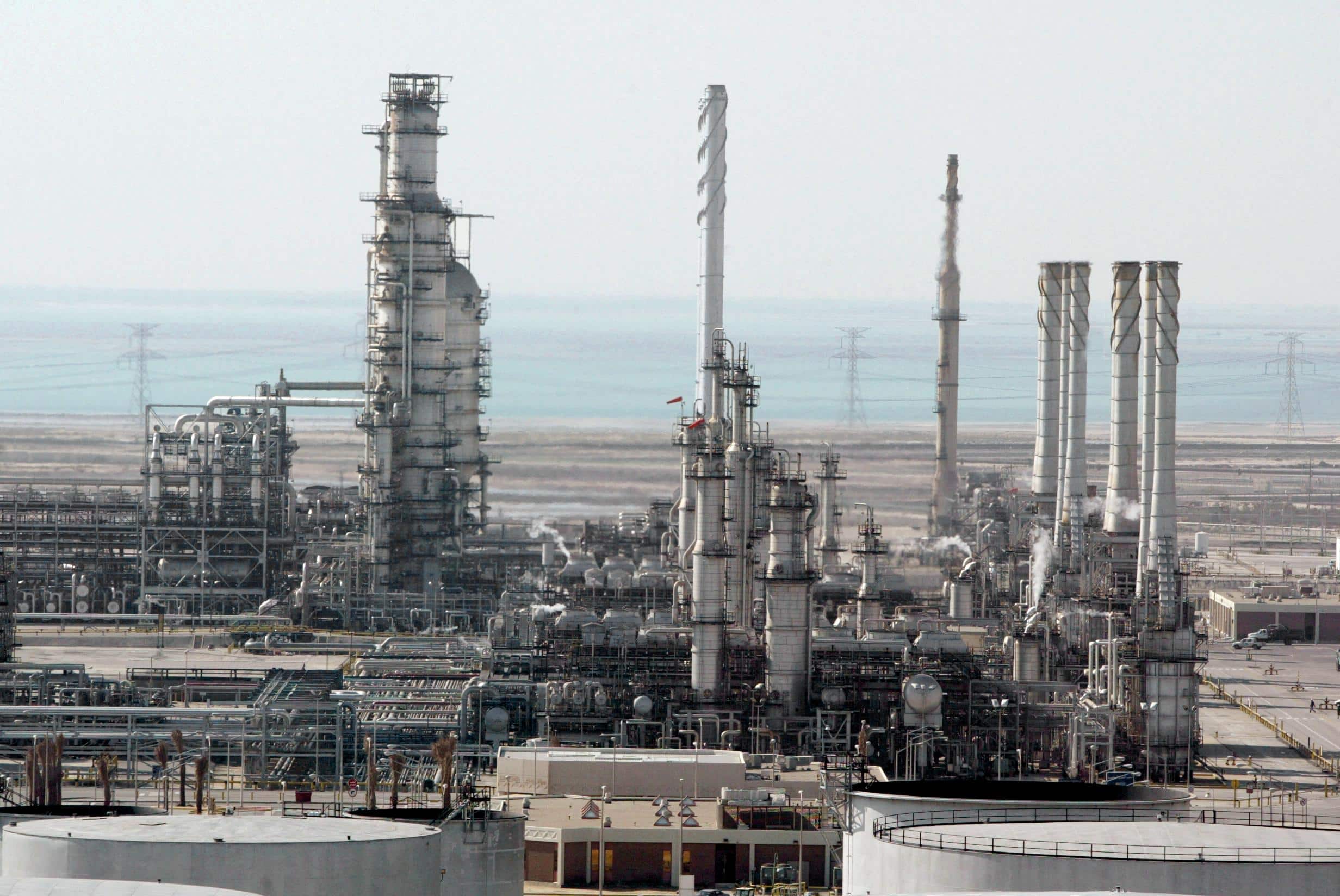
World crude futures jumped more than six percent on fears of disruption to supplies, with the vital Strait of Hormuz — through which around 20 percent of global seaborne oil passes — effectively shut and several ships attacked.
Wall Street’s main indices fell decisively at the start of the session but recovered throughout the day as investors greeted talk that the spike in energy prices might prove short-lived.
While the Dow still finished lower, the Nasdaq ended in positive territory and the S&P 500 eked out a small gain.
“Investors have been conditioned over the last 15 years to not overreact to these geopolitical headlines,” said Angelo Kourkafas of Edward Jones, adding that investors see the United States as better able to withstand the energy-price surge compared with other leading economies as a major oil and gas producer.
But the coming days “will be choppy,” Kourkafas predicted.
READ: psei-tumbles-over-2-on-middle-east-conflict-fears
Equities took a harder hit in Europe and Asia as investors looked beyond stocks in favor of the dollar and gold, seen as safer bets in times of economic unrest.
The greenback jumped around one percent against its major rivals. Gold prices finished 0.8 percent higher after a bigger increase earlier in the day.
“Investors are scuttling towards safe havens, seeking shelter as conflict widens in the Middle East,” noted Susannah Streeter, chief investment strategist at Wealth Club.
“What happened over the weekend and what continues now has created added uncertainty,” said Briefing.com analyst Patrick O’Hare.
However, there has not been a rout on equity markets “because participants are not convinced yet the military action will fuel disarray for the global economy.”
Energy shares boosted
Airline share prices took a battering as carriers canceled flights and Dubai’s airport took a hit, although it later said it would resume limited flights.
Shares in British Airways owner IAG lost 5.2 percent and Air France-KLM fell nine percent.
Delta shed 2.2 percent and United fell 2.9 percent.
Shares in energy majors and defense companies rose sharply, with BAE Systems jumping 5.4 percent in London and Palantir climbing 5.8 percent in New York.
Shell rose 2.8 percent and TotalEnergies 3.5 percent.
ExxonMobil shares added 1.1 percent in New York.
“If higher oil prices persist, it raises the risk of stickier headline inflation,” wrote Saxo Markets’ Charu Chanana.
This could prove troublesome for US President Donald Trump, who has promised his electorate low prices, as the United States approaches mid-term elections in November.
Rising energy prices, increased shipping costs and loss of revenue for air transport could have “a harmful effect on growth”, said economist Eric Dor from the IESEG School of Management in Paris.
“If it’s a matter of three days, it’s not serious. But if it’s over a longer period, then it will have an additional recessionary effect,” he told AFP.
In theory, oil-importing countries have reserves, with OECD members required to maintain 90 days’ worth of stocks, but prices above $100 cannot be ruled out, according to analysts.
If the disruption at Hormuz continues, “no matter how much spare capacity, (it) is not going to fill that gap. That gap is just too big,” said Amena Bakr, head of Middle East and OPEC+ research at analysts Kpler.
Key members of the OPEC+ oil cartel on Sunday announced a greater-than-expected increase to production quotas.


