


Philippine hog stock falls to three-decade low


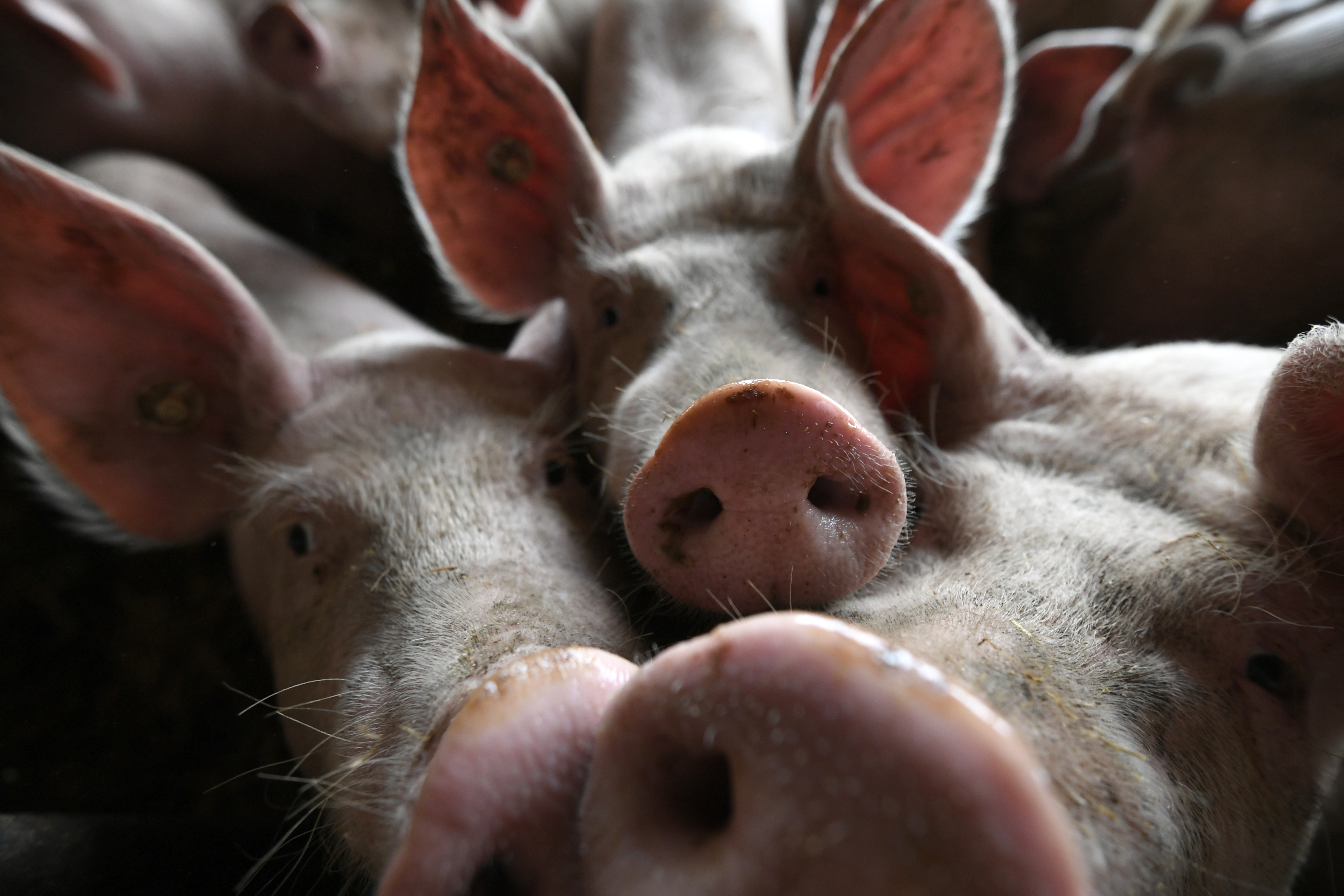
MANILA, Philippines — The Philippines’ national swine inventory declined to 8.94 million heads as of Sept. 30, falling 1.9 percent from 9.11 million heads a year earlier to reach its lowest level since 1995, according to data from the Philippine Statistics Authority (PSA).
The contraction reflects structural headwinds facing domestic hog producers, driven by depressed farmgate prices, sustained elevated production costs and competition from imported pork products.
READ: DA bans pork imports for 2 months to shield hog raisers
Data from the PSA showed that smallhold farms accounted for 79.6 percent of the total hog population, while commercial and semicommercial farms comprised 19.2 percent and 1.2 percent, respectively.
Regionally, Calabarzon (Cavite, Laguna, Batangas, Rizal, Quezon) held the largest hog population at 1.24 million heads, followed by Central Luzon at 1.06 million heads.
Alfred Ng, vice chair of the National Federation of Hog Farmers Inc., said liveweight farmgate prices fell to multi-year lows during the third quarter of 2026.
Lower prices, higher costs
Liveweight prices dropped to between P90 and P110 per kilogram in the Visayas and Mindanao, and between P120 and P140 per kilo in Luzon.
However, average production costs remained higher at P160 to P180 per kilog, eroding operational margins and disincentivizing farm repopulation following ongoing recovery efforts from African swine fever.
“How will this encourage farmers to repopulate? There are simply too much imported frozen pork in the market,” Ng said.
He added that potential investors remain in a “wait-and-see” mode following financial losses across the sector.
In response to market distortion and sustained industry injury, the Department of Agriculture issued Department Order No. 33 in early November. This established a 60-day temporary import ban on selected pork products, including carcasses, primal cuts and edible offal, to stabilize domestic prices and draw down cold storage inventories.
READ: Cheap imports didn’t lower pork prices—Sinag
In contrast to the livestock sector, the national chicken inventory expanded by one percent year-on-year to 223.38 million birds as of Sept. 30, up from 221.19 million birds in the same period in 2025.
According to the PSA breakdown, broiler chickens accounted for 35.2 percent of the inventory, native or improved breeds comprised 34.8 percent, layer chickens represented 26 percent, and breeding gamefowl accounted for the remaining 4 percent.
Elias Jose Inciong, chair of the United Broiler Raisers Association, noted that while poultry production volume continues to grow due to new market entrants, profitability remains constrained by farm-gate price volatility, low-cost imports and climate risks such as El Niño. INQ


