


Attracting tech giants to Pax Silica not enough, UP study warns


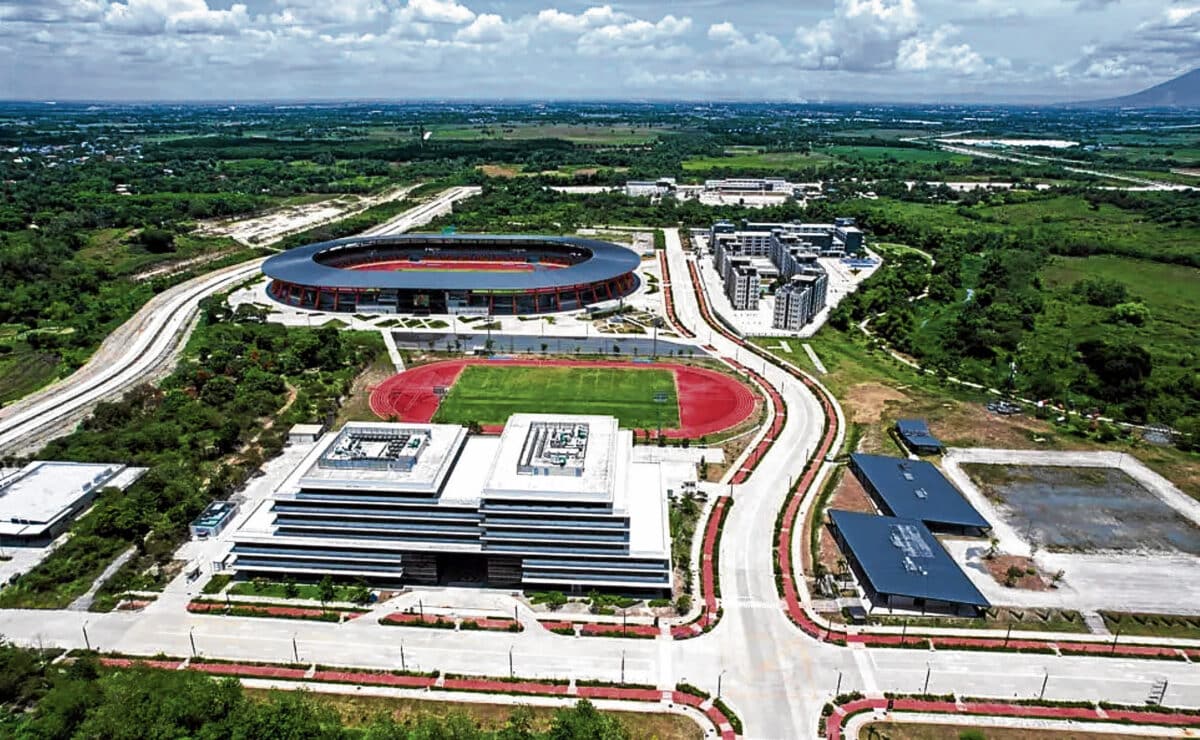
MANILA, Philippines — Even if the Philippines succeeds in attracting some of the world’s biggest technology companies to its Pax Silica hub, the United States-backed project may not necessarily move the country into higher-value segments of the semiconductor industry, according to a University of the Philippines (UP) study.
The government has identified Apple, Nvidia, Taiwan Semiconductor Manufacturing Co., MediaTek, United Microelectronics Corp., Qualcomm, AMD and Broadcom Inc. as among the companies on its “wishlist” for the proposed 1,619-hectare hub in New Clark City.
READ: Gov’t to woo tech titans for Pax Silica
But the “unexpected” risk for the industrial hub is that it could become a “satellite platform” for multinational companies, hosting their manufacturing operations while higher-value functions and technological expertise remain overseas.
In a discussion paper published by the UP Center for Integrative and Development Studies, Edylinda Balaoing-Pelkmans warned that concentrating major manufacturers in one location would not automatically translate into technological advancement for the Philippines.
“Advances in information and communications technology allow lead firms to disperse production stages internationally while retaining design, process know-how and coordination within their own organizational boundaries,” the study said.
“Firms can therefore agglomerate at Clark while the functions that constitute the core remain in Hsinchu, Seoul, Santa Clara or Eindhoven,” it continued.
Such an arrangement could leave the Philippines largely engaged in the same semiconductor activities it has pursued for decades: generating exports and employment without substantially advancing its technological capabilities.
The study noted that the Philippines has participated in electronics manufacturing for five decades, with exports reaching approximately $46 billion in 2025.
“What forms in the zone may then be a dense cluster of peripheral functions, which is a thicker version of the existing Philippine position that would look, from the outside, very much like a departure from it,” the paper added.
Currently, the planned New Clark City hub remains without a firm investor, as the Philippines and the United States continue negotiating a commercial framework agreement that would establish the project’s concrete arrangements.
November remains the Bases Conversion and Development Authority’s (BCDA) target for signing the agreement. This coincides with the 49th Association of Southeast Asian Nations Summit in Manila, which US President Donald Trump is expected to attend.
READ: Apple contractor to ‘level up’ chip sector
Once fully developed, the hub could attract $40 billion to $70 billion in investments and generate 130,000 to 190,000 direct jobs, according to the BCDA estimates.
But BCDA President and CEO Joshua Bingcang has said these figures could take as long as 30 years to materialize.
Given the project’s long development timeline, the study warned that sustaining industrial policies across successive administrations would be crucial to securing lasting economic benefits. INQ


