





Weak budget utilization threatens infra spending—CPBRD


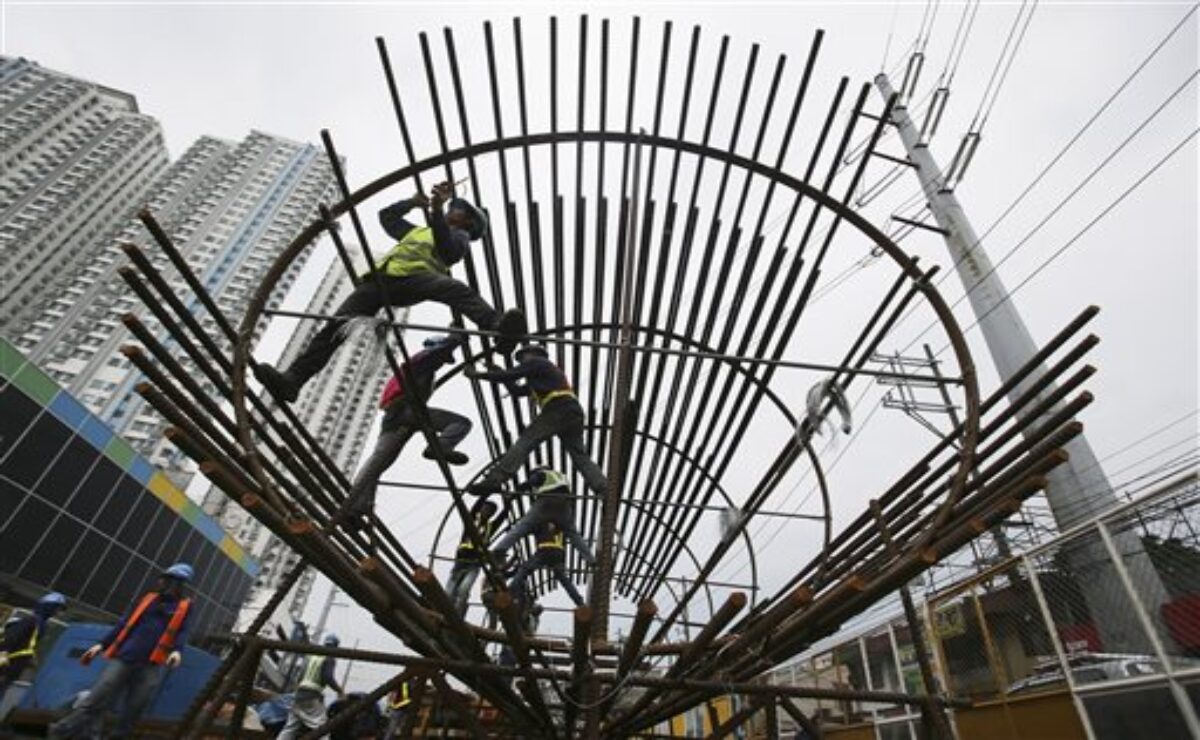
MANILA, Philippines — The Marcos administration’s infrastructure spending plan may deliver less economic benefit than intended as persistent implementation bottlenecks prevent key agencies from fully using their allocated funds, a congressional policy research unit said.
In its 2027 budget brief, the Congressional Policy and Budget Research Department (CPBRD) said key agencies implementing infrastructure projects recorded average disbursement rates below 75 percent from 2021 to 2025.
READ: Balisacan banks on flood control cleanup to revive growth
The Department of Public Works and Highways (DPWH) posted an average disbursement rate of 52.9 percent. In comparison, the Department of Transportation (DOTr) recorded 43.4 percent. The Department of Information and Communications Technology (DICT) had a rate of 27.9 percent. In comparison, the Department of Human Settlements and Urban Development (DHSUD) registered 74.4 percent.
Low budget utilization suggests that allocated funds remain unspent or have not yet translated into actual project implementation.
“The weak absorptive capacity of NGAs implementing key infrastructure projects, namely the DICT, DPWH, DHSUD, and DOTr, calls into question their capacity to efficiently utilize available resources and deliver projects at the scale and pace needed to address the country’s longstanding infrastructure deficit,” CPBRD said.
The CPBRD cited procurement and bidding delays, right-of-way acquisition issues, project design revisions, limited technical and administrative capacity, and weak coordination among agencies as factors that could hamper implementation.
“As a result, the timely delivery of critical infrastructure projects is hampered, diminishing the potential economic and social benefits expected from public investment spending and slowing the government’s broader infrastructure development agenda,” it added.
The Marcos administration proposes to increase infrastructure spending under its “Build, Better, More” program by 13.8 percent to P1.47 trillion in 2027, up from P1.29 trillion in 2026, but implementation challenges continue to persist.
Despite the increase, analysts project that public infrastructure spending will remain below the commonly recommended benchmark of 5 percent of gross domestic product (GDP) for developing economies.
“FY 2027 will mark the second consecutive year that the Philippines’ public infrastructure spending has fallen below the said benchmark, after having remained within this threshold from 2021 to 2025,” the CPBRD said.
“The decline poses a significant challenge to the country’s growth prospects, particularly given the longstanding infrastructure deficit that continues to constrain productivity, connectivity, and economic competitiveness,” it added.
READ: Gov’t infra spending decline eases at H2 start
Notably, weak public infrastructure spending has been dragging economic growth since the third quarter of 2025 amid the flood control corruption scandal.
In the second quarter of 2026, infrastructure and other capital outlays contracted by 32.4 percent, contributing to the economy’s sluggish 2.6-percent growth in the first half.
As of end-July, the start of the third quarter, infrastructure and capital outlays plunged 36 percent year-on-year to P457 billion as the DPWH continued to delay projects, despite spending improvements by other departments. /pai


