





DHL sees PH gaining from supply chain shakeup


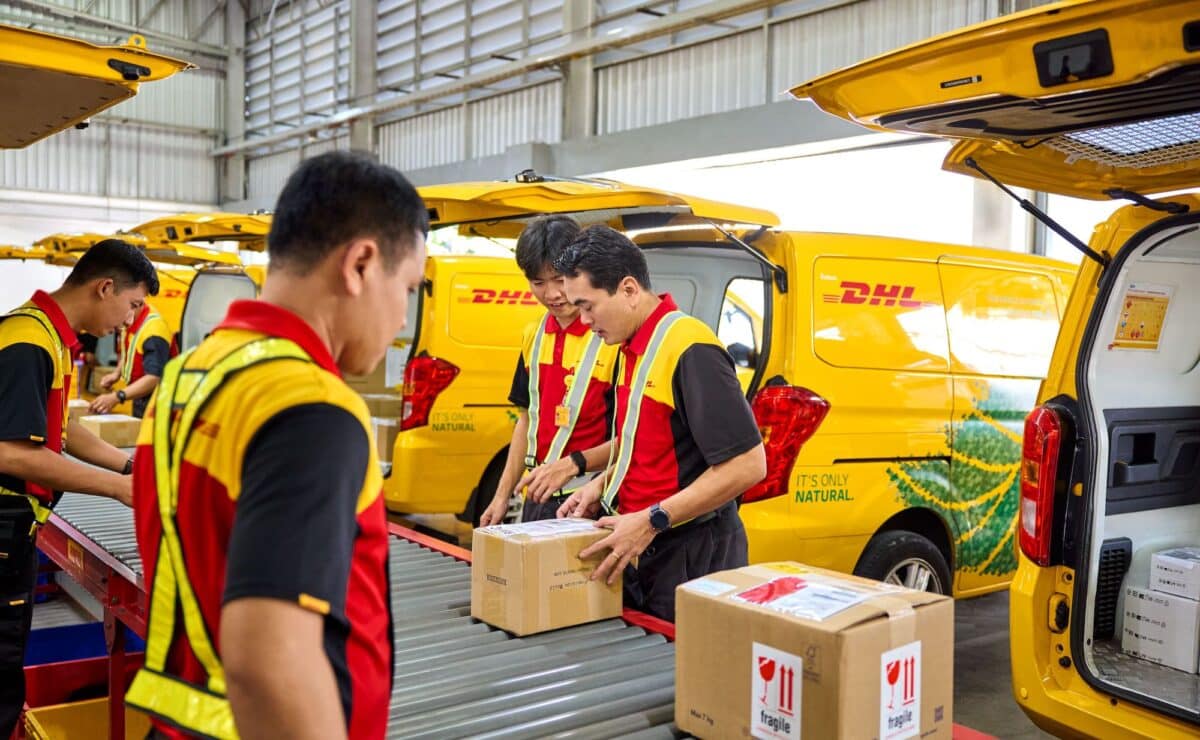
MANILA, Philippines — The Philippines ranks among the Asia-Pacific countries that could benefit from rewiring traditional supply chain networks, particularly the ongoing “China+1” shift, according to global shipping and logistics company DHL.
DHL Express Asia-Pacific CEO Ken Lee said geopolitical tensions and companies’ efforts to build more resilient supply chains were increasingly reshaping trade flows within Asia, reducing dependence on any single country or region.
Part of that shift is the so-called “China+1” strategy, under which companies diversify their sourcing or manufacturing operations by adding another production base alongside China.
READ: DHL cues another 5.9% price hike in 2027
“Diversification — and I think you’ve probably heard some people say the China +1 strategy — in a way is moving and evolving the whole logistics trends,” Lee said at a media briefing on the sidelines of the 2026 DHL GoTrade Summit in Pasay.
The Philippines, in particular, is part of DHL’s “Geographical Tailwinds 20” or GT20 framework, which identifies economies expected to benefit from supply chain diversification and shifting global trade flows.
READ: DHL Express banks on SMEs to drive 2026 growth
The list includes the Philippines alongside Singapore, Indonesia, Vietnam, India and China in the Asia-Pacific region.
“We do see that these 22 countries that we have identified, of which the Philippines is one of them, will be a beneficiary of this supply chain diversification,” Lee said.
DHL Express Philippines managing director Nigel Lockett said shipment volumes to the United States and Canada remained strong, while the company was seeing a “marked increase” in both inbound and outbound intra-Asia-Pacific traffic.
Technology, data center logistics and new energy are among the sectors DHL sees driving further growth.
READ: PH exporters warn of trade disruptions amid Middle East tensions
DHL currently moves more than 9,200 shipments daily for about 5,900 customers in the Philippines and estimates that it holds a 60-percent share of the local international express market. About 87 percent of its customers are micro, small, and medium enterprises.
The logistics giant is also keeping the door open to further investments as demand grows.
DHL already operates a facility in Clark and has recently invested in a new facility at the Ninoy Aquino International Airport. For now, Lockett said there are no plans to invest specifically in Clark International Airport.
That contrasts with rivals United Parcel Service Co. and Federal Express Corp., which are expanding directly at Clark International Airport.
UPS plans to open a new sorting facility that will serve as a hub for cargo arriving from regional gateways like Hong Kong. FedEx will begin building a 78,000-square-meter facility at Clark to increase daily flight frequencies from three to as many as 20.
Still, Lockett expressed confidence that DHL could retain its foothold in the Clark and Subic markets.
“We’ve got quite a handy market share up in the Clark and Subic area,” he said. “While we may invest in ground infrastructure, while we may invest in commercial people on the ground, and it may be a larger facility, we won’t be investing per se in Clark airport.” /pai


