
MANILA, Philippines — Philippine transport technology provider Global Electric Transport (GET) aims to triple its electric bus fleet by year-end to meet increased demand for electric vehicles, deploying these units on public routes and corporate shuttles.
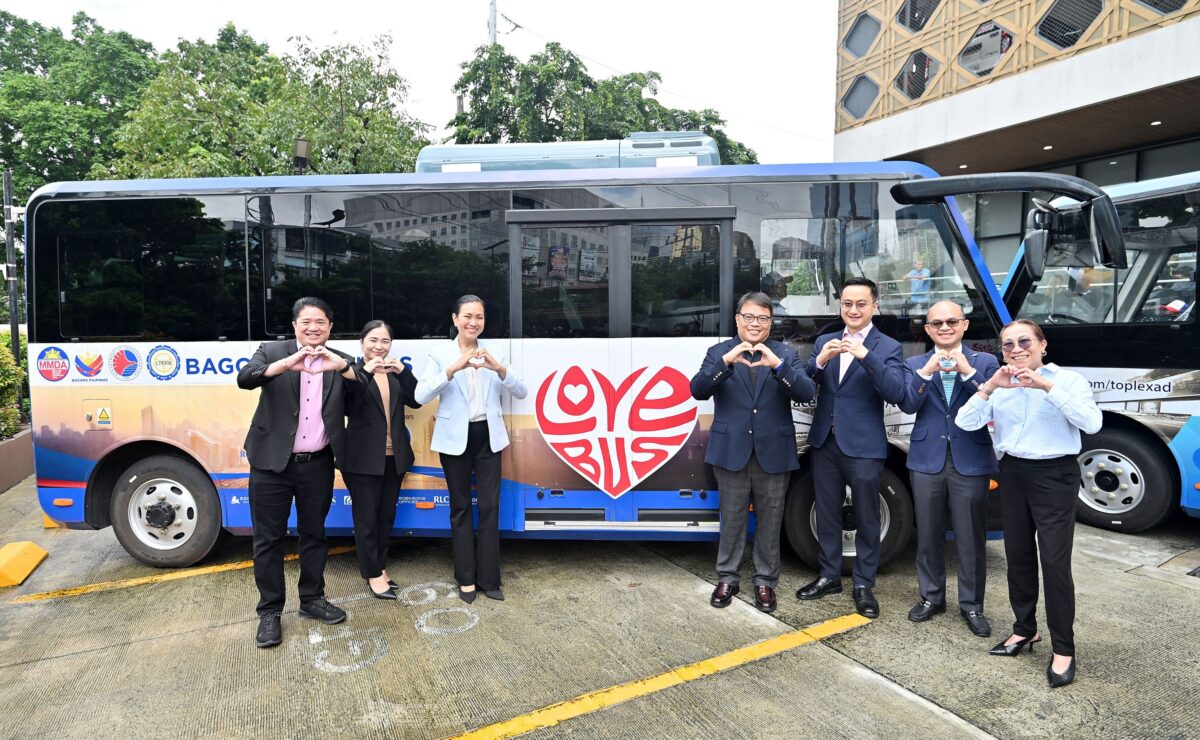
GET operates the Community Organized Managed Electric Transport (Comet), which is a China-made electric minibus. The company uses these vehicles for its public “Love Bus” service and shuttle operations for major multinational companies in the country.
READ: Marcos launches new version of 70s’ Love Bus
About 110 Comet buses currently ply Philippine roads, including units owned by GET and its partners.
But GET president and cofounder Sigfrido “Freddie” Tinga said the goal is to bring the fleet to more than 300 units, as interest in electrified mobility gains traction even in public transportation.
The company has ordered 100 units, which will be delivered in early November. GET is looking to place another 100-unit order to reach its year-end target, although Tinga acknowledged that some deliveries could slip into January due to supply-chain constraints.
Tinga said the war-driven fuel crisis ultimately accelerated interest in, and acceptance of, EVs for public transport.
“The Iran war was our COVID moment,” he told the Inquirer, likening the shift to the growth of the fintech industry during the COVID-19 pandemic.
GET’s public Love Bus network includes routes connecting Batasan and Bonifacio Global City, as well as the Parañaque Integrated Terminal Exchange area and Mall of Asia. Meanwhile, its corporate shuttle business serves companies such as JPMorgan and Wells Fargo.
Gov’t projects
Tinga said bigger government partnerships are also in the pipeline.
GET, which has worked with the Department of Transportation and the Land Transportation Franchising and Regulatory Board, is keen on bagging transportation projects in Cebu and Bases Conversion and Development Authority-managed estates in New Clark City and Camp John Hay.
“It looks like we will end up doing their BRT,” Tinga said, referring to the long-delayed Cebu bus rapid transit. “We should have an agreement signed by next month, and it’s going to be less than six months to roll out the system.”
GET is also proposing a partnership with Victory Liner that would bring its payments and ride-tracking system to the bus operator.
Beyond offering electric buses, GET also has its own charging infrastructure and fleet-management technology that tracks vehicles, passengers, routes, battery levels, and maintenance issues in real time. Ridership data can also help anticipate demand and adjust routes and schedules accordingly.
“We’re offering the system to the big bus companies, not the vehicle,” Tinga said.
Public transport
Each Comet costs about P4.5 million, but Tinga said financing arrangements could bring the effective rollout cost to around P2.5 million per vehicle. At that level, deploying 10,000 units across Metro Manila would cost roughly P25 billion.
READ: ‘Love Bus’ coming to QC, Pasig: 10 units to serve Robinsons Galleria-Eastwood loop
“A 10,000-unit fleet rollout in Metro Manila will solve your problem,” Tinga said, arguing that such a network could make a substantial dent in the capital region’s transport shortage without building new roads.
Asked whether he saw competition from the growing number of ride-hailing services using EVs, Tinga said GET’s proposition was different as it focuses on offering a more private-like commuting experience at public transport prices.
“If I can give you a nice ride, almost like a taxi, close to where you came from to close to where you’re going, you’ll take it,” he said. “That’s what we’re offering.” /pai