





PH landlords trim capex, S&P says


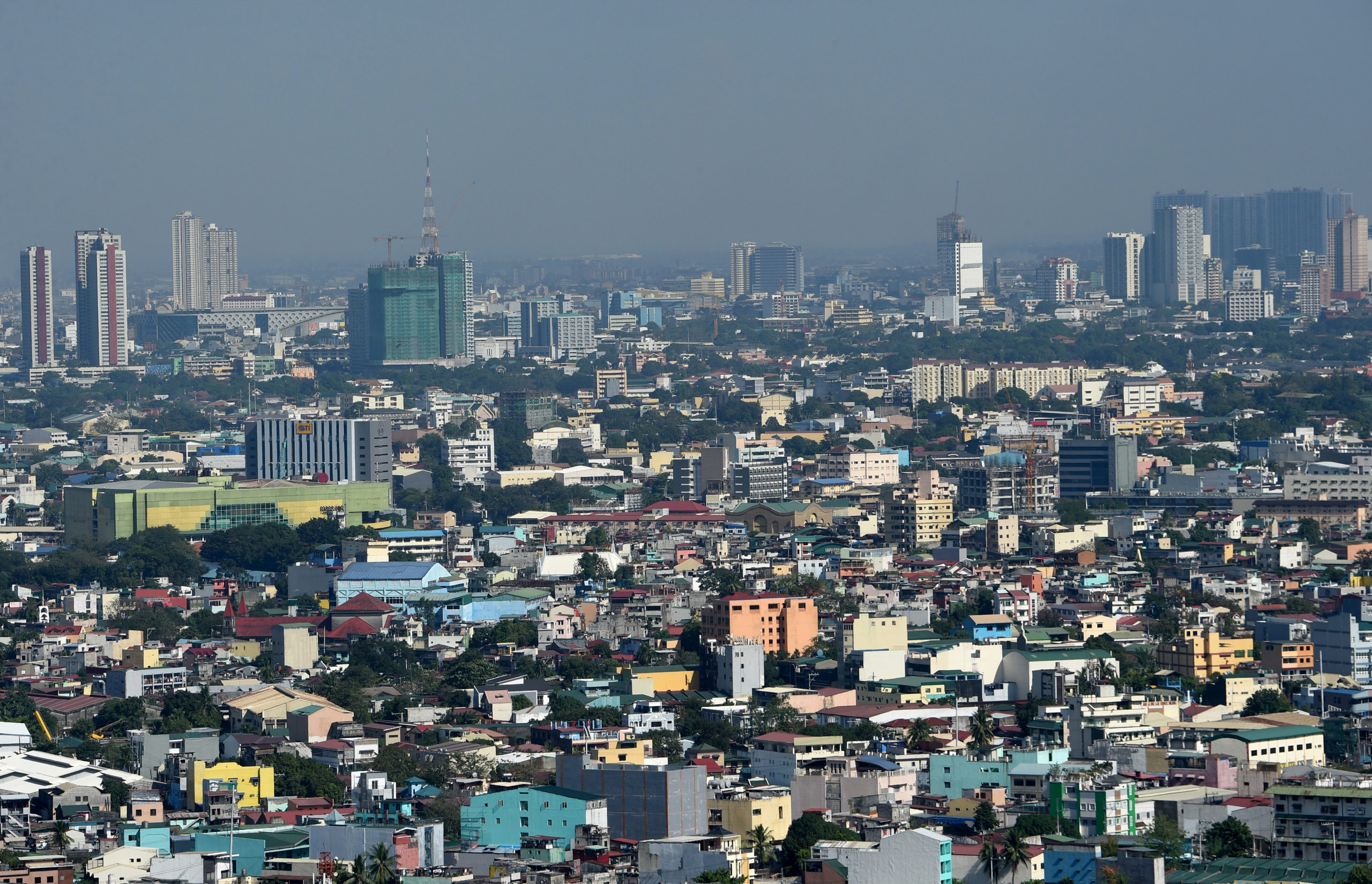
MANILA, Philippines — Philippine landlords have weathered the property market’s twin challenges of excess vacant homes and weaker sales, as disciplined spending and a shift in investment portfolios help strengthen their finances, S&P Global Ratings said.
In a report released on Monday, S&P said the oversupply of residential properties had eased in 2025, although inventories of completed units awaiting buyers remained high.
READ: Metro Manila residential vacancy seen to decline in 2026
The improvement has helped property developers narrow the decline in sales to 7 percent in the first half of the year, from an 11-percent contraction in 2025, the ratings agency said.
Developers are also recalibrating their portfolios to bolster resilience in a volatile market. Some are shifting toward more affordable residential projects outside Metro Manila, where supply and demand are more balanced, S&P said.
The country’s four largest property groups—Ayala Land, Megaworld, SM Prime Holdings and Robinsons Land—have also tightened their spending plans. Their combined capital expenditure for 2026 has been cut by 25 percent from initial plans amid “macro and industry uncertainties,” according to S&P.
Still, the broader economic outlook remains a challenge for the property sector. S&P expects the Philippine economy to grow just 2.9 percent this year before recovering to 5.4 percent in 2027.
Excess supply
Consumer sentiment is likely to remain under pressure from heightened uncertainty, supply-chain disruptions, excess property supply in Metro Manila and weaker purchasing power, while higher interest rates could further weigh on demand, S&P said.
Banks are also expected to remain cautious in extending credit to homebuyers and developers.
“Rising interest rates, weakening purchasing power could weigh on home demand for the mid to affordable segment over the next 12 months,” S&P said.
READ: Housing loans surge on cooling prices, lower rates
Looking ahead, S&P said landlords were expected to direct more capital toward income-generating properties like malls and offices rather than residential development, supporting recurring revenue and more stable earnings.
Real estate investment trust, or REIT, subsidiaries that are majority-owned by developers are also expected to remain an important source of capital through asset recycling, it added.
“Stable recurring cash flow helps cushion against weaker residential sales and supports stable leverage ratios and earning resilience,” the firm said. INQ


