





Reimagining public spaces for future generations


This week has been unusually full. Meetings, classes, site visits, and project reviews filled almost every hour. Yet amid the busy schedule, one conversation stayed with me long after everyone had gone home.
I had the pleasure of welcoming two friends from the U.S. Green Building Council and Green Business Certification Inc. (GBCI), who were in Manila for meetings across Southeast Asia. They dropped by our office, spent time viewing our growing collection of artworks, and over coffee, we caught up on topics that stretched far beyond green buildings.
Interestingly, we spent less time discussing buildings and more time discussing the spaces between them.
A quiet shift
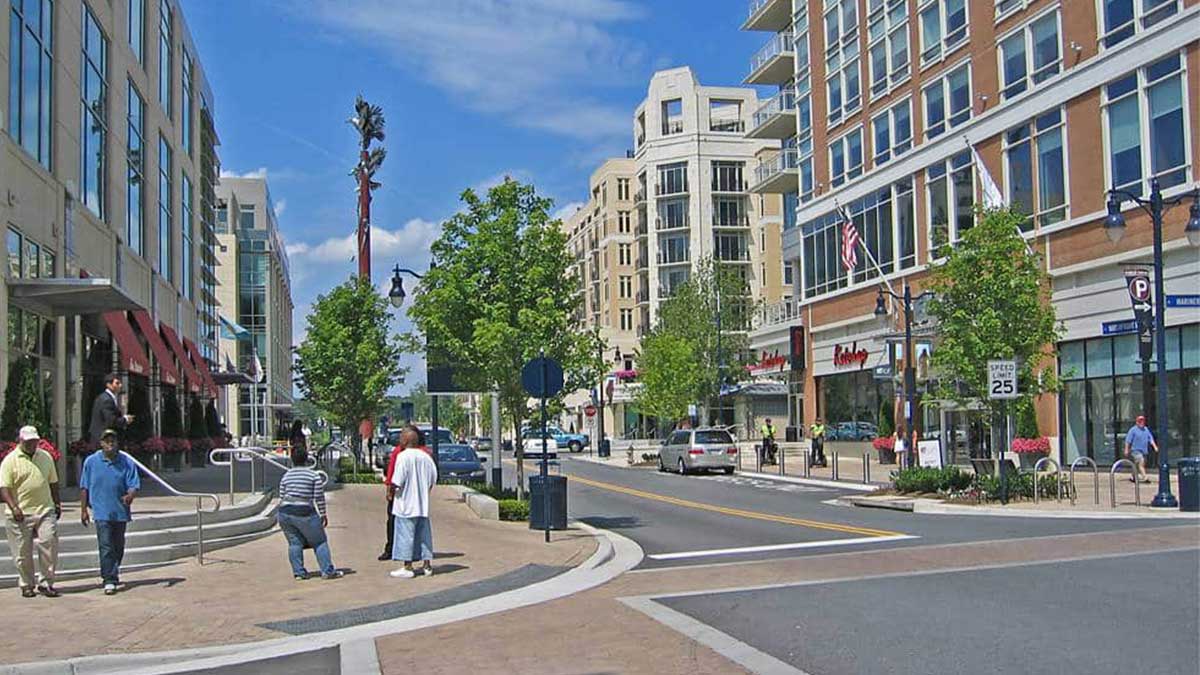
Across many countries, developers are realizing that people no longer choose communities based only on floor area or premium amenities. Increasingly, they ask different questions: Can I walk safely? Will my children have places to play? Can I meet my neighbors? Is there somewhere I can simply sit and enjoy the outdoors?
Those questions reveal a quiet shift. Public spaces are no longer viewed as leftover areas around buildings. They are becoming the heart of a community.
For years, success was measured by how much space could be built or sold. Parks and plazas often became decorative features.
Today, many of the world’s most successful developments are discovering that the most memorable places are defined not by iconic towers but by everyday experiences—a shaded plaza where office workers eat lunch, a park where grandparents watch children play, a weekend market that supports local businesses, or a waterfront walk that encourages people to slow down.
Empathic design
These spaces become part of daily life. They create memories that buildings alone cannot.
This reflects the growing idea of empathic design, which sees public spaces as places where belonging, identity, and community are formed. Instead of designing first and asking questions later, the best projects begin by listening to the people who will eventually use those spaces.

The Philippines is well- positioned to embrace this direction.
Our culture has always valued shared spaces. Barangay plazas, church grounds, basketball courts, public markets, and neighborhood streets have long served as extensions of our homes. They are where friendships grow, traditions continue, and communities come together.
Yet many of our cities have gradually become dominated by roads, parking areas, and isolated developments. Walkability remains inconsistent, shade is limited, and public spaces are often treated as amenities rather than essential infrastructure.
As our cities become denser, these spaces become even more important.
Investing in walkability
Around the world, developers are investing in walkability, public art, biodiversity, active mobility, and inclusive parks because they understand that healthy communities create lasting value. These investments improve well-being while strengthening resilience and social connection.

The Philippines already has the ingredients. Our climate encourages outdoor living, our communities naturally gather, and our artists and designers know how to create places with character.
The opportunity is not simply to build more—but to build places where people genuinely want to spend time.
As our conversation ended that afternoon, we agreed on one simple thought. The future of cities will not be remembered only by the buildings they construct. It will be remembered by the lives that unfold between those buildings.
If we hope to create communities that future generations will cherish, perhaps our next great investment is not another landmark tower, but the public spaces that help people feel connected—to nature, to their neighbors, and to the city they proudly call home.
The author is a LEED Fellow, ASEAN Architect, UAP Fellow, and educator with over 25 years of professional practice in architecture and sustainability


