


Cebu Pacific traffic rose in Q1 despite fuel risks


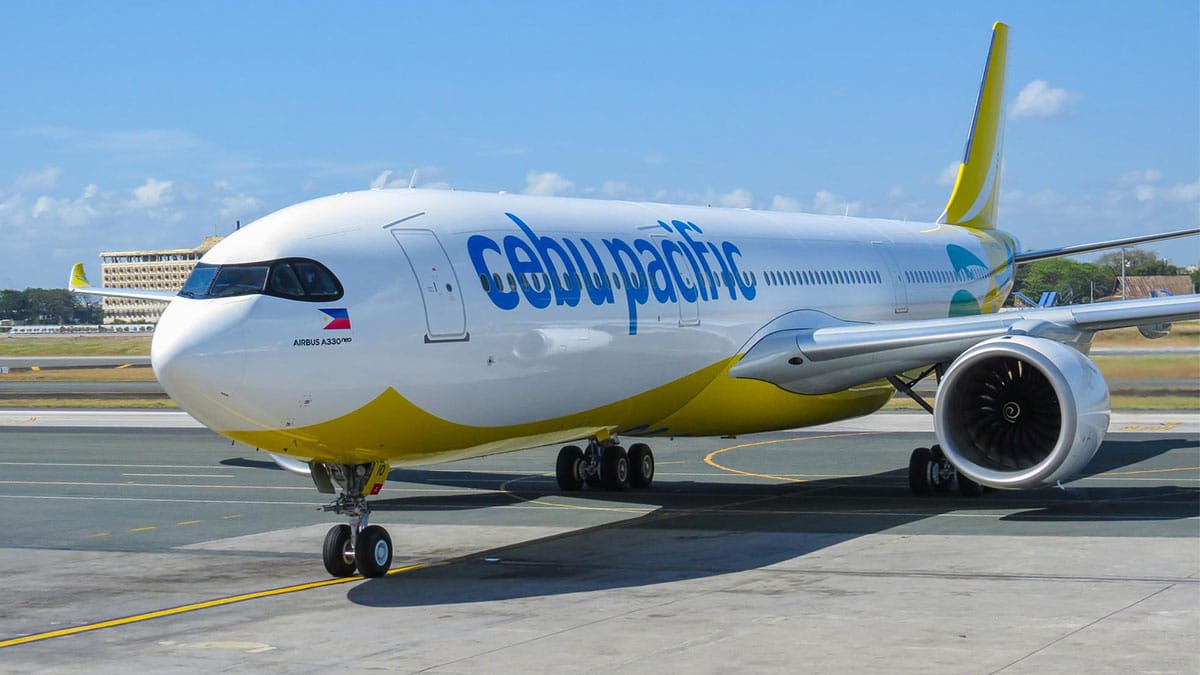
Cebu Pacific —PHOTO FROM CEBU PACIFIC WEBSITE
MANILA, Philippines — An influx of travel during the school break lifted passenger traffic at Gokongwei-led budget carrier Cebu Pacific in the first quarter, despite ongoing air travel disruptions and soaring jet fuel prices linked to the Middle East conflict.
In a disclosure to the local bourse on Wednesday, Cebu Air Inc. said first-quarter traffic rose to 7.54 million from 6.95 million in the same period last year, supported by the start of school breaks and sustained momentum across its international network.
Domestic passenger traffic grew 7.9 percent to 5.59 million, while international passengers rose at a faster pace of 9.8 percent to 1.95 million.
This came despite the still-unresolved conflict in Iran, which over the past month has disrupted several airspaces across the Middle East and pushed jet fuel prices higher amid disruptions to the Strait of Hormuz.
READ: Marcos pushes Asean oil stockpiling, emergency response plan
“We saw strong demand growth in March and throughout the first quarter,” Cebu Pacific CEO Mike Szucs said. “Load factors remained healthy across the network, reflecting disciplined capacity management.”
Seat load factor, a measure of seat utilization, stood at 83.7 percent in the first quarter, slightly lower than 84.9 percent a year earlier, even as total seat capacity expanded 10 percent to 9 million.
READ: Cebu Pacific profit soared 128% to P12.3B in 2025
Cautious on Q2
For March alone, the low-cost carrier reported an 11.5-percent increase in traffic to 2.46 million.
Despite the resilient showing, Szucs said Cebu Pacific would take a cautious stance in the coming months as volatility in fuel prices persists.
“For the second quarter, we are taking a cautious and measured approach amid a volatile fuel price environment,” he said. “We have optimized flight frequencies where appropriate, focusing on routes with stronger demand.”
Recall that in March, Cebu Pacific said it had secured fuel stocks sufficient to last until end-April and was working to build additional reserves for May and beyond.
READ: Cebu Pacific @30: Celebrating the journey, not the destination
The airline’s network mix offers some buffer against global volatility, with nearly three-fourths of its operations in the domestic market. It also operates a relatively young fleet, with about 72 percent composed of fuel-efficient Airbus NEO aircraft.
Even so, Cebu Pacific has suspended several international routes through October, including flights to Bangkok, Singapore and Hanoi, citing jet fuel prices that it said have “more than doubled” from 2025 averages.
Szucs again expressed confidence the airline can weather the current environment.
“With a strong financial foundation and a resilient operating model, Cebu Pacific is well-positioned to navigate this environment.” INQ


