





Philippines keen on early adoption of WTO e-commerce pact


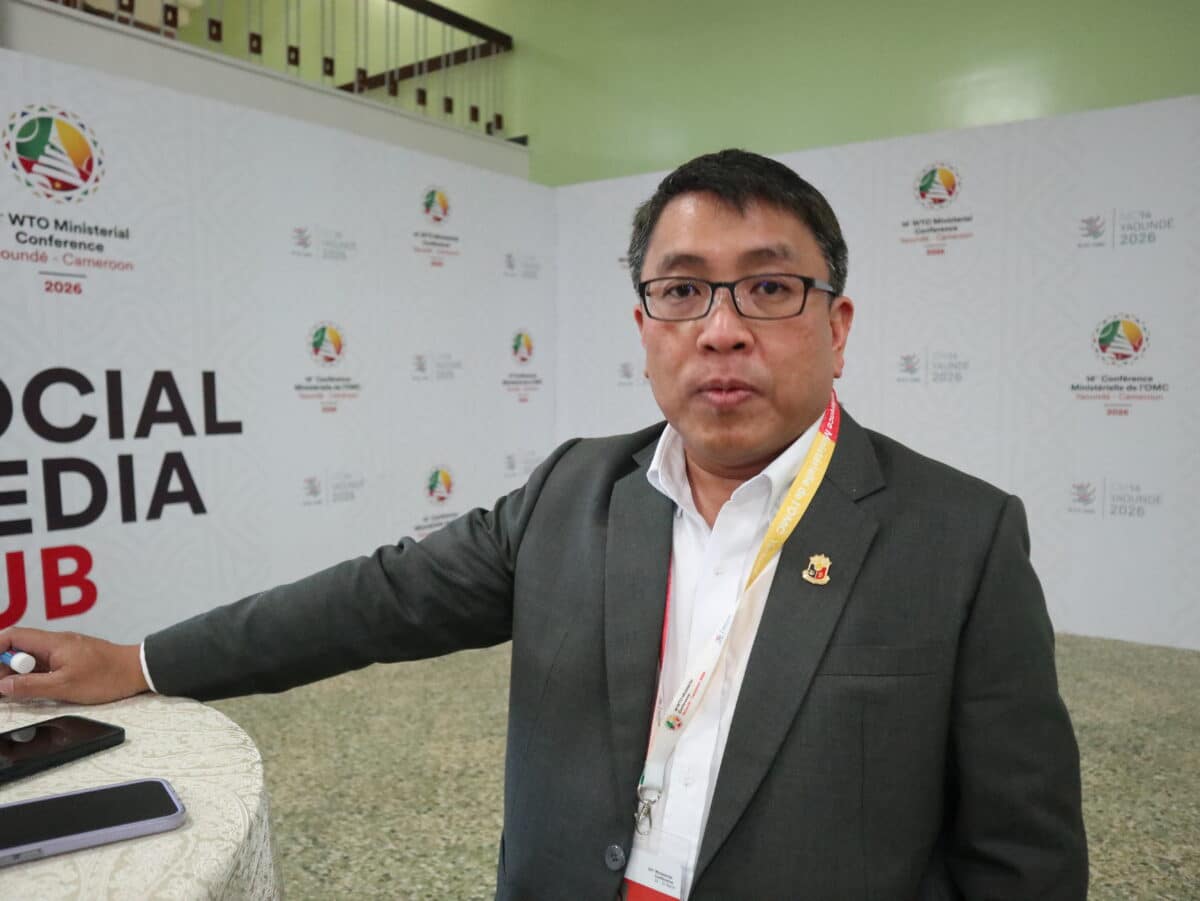
YAOUNDÉ, Cameroon— The Philippines will start implementing a World Trade Organization (WTO) pact on electronic commerce ahead of its formal incorporation into the WTO framework.
At the 14th Ministerial Conference here, 66 members—representing about 70 percent of global trade—on Saturday adopted a “clear and immediate pathway” to start implementing the e-commerce agreement through interim arrangements.
Countries such as the Philippines will begin the process of locally adopting the accord while further discussions continue to fully incorporate this deal into the WTO legal framework.
“With digital transactions accounting for over 60 percent of global GDP (gross domestic product), there is an urgent need to implement global digital trade rules that allow businesses and consumers to seize the benefits of digital trade,” the WTO said in a statement.
The accord encourages the adoption of legal frameworks recognizing electronic transactions. It also treats electronic and paper-based information as legal equivalents. It also encourages legal use and recognition of electronic transferable records, such as bills of lading, bills of exchange and promissory notes.
READ: WTO reform talks coming to the crunch
Trade Undersecretary Allan Gepty said the Philippines aims to operationalize the e-commerce pact within the Marcos administration. It begins with the evaluation of its benefits to the country and submission to the Department of Foreign Affairs as part of the ratification process for international agreements.
Significance
Gepty said the e-commerce deal builds confidence by setting rules on online transactions, including electronic invoicing and electronic payment.
“That is very important because digital economy is evolving and as you can just imagine, there are many transactions, commercial activities, economic activities happening online,” Gepty told the Inquirer in an interview.
“E-commerce is one good platform by which our micro, small and medium enterprises can be integrated in the global economy because basically, many businesses and industries have been revolutionized because of the e-commerce platform,” he added.
READ: Philippines pushing for WTO dispute system reforms
The trade official noted that the services sector, in particular, is “heavily anchored” on rules and disciplines governing digital trade.
According to Gepty, the services sector accounts for at least 60 percent of the country’s gross domestic product, with the bulk coming from the information technology and business process management (IT-BPM) industry.
The IT-BPM sector recorded export revenues exceeding $40 billion, a 5 percent increase from a year ago, according to the IT and Business Process Association of the Philippines.
READ: WTO worries about food security in Southeast Asia
“It’s important that the Philippines is viewed as one economy that is a strong advocate of stable and predictable business environment when it comes to digital trade,” Gepty said. /dda


