





Simple steps to keep your household ready


In the Philippines, where natural disasters are a constant reality, preparedness is vital.
Some 20 typhoons sweep across the Philippines each year, while earthquakes and volcanic eruptions remain a risk as the country sits along the Pacific Ring of Fire. These disasters, admittedly, can’t be prevented, but every homeowner can take steps to reduce their impact.
Whether you live in a condo, townhouse, or coastal home, preparedness should be part of your property planning. Disaster-proofing doesn’t have to be costly. It’s all about being proactive, not reactive.
Here are five tips every household should remember when preparing for natural disasters.

(RRBUILDANDDESIGN VIA PINTEREST.COM)
Start with a safer home
Make sure your home is built according to the latest building codes and inspected for potential hazards, especially if you live near a fault line or in a flood-prone area.
Check for cracks in walls and ceilings; ensure electrical wiring is up to standard; and secure heavy furniture and appliances to prevent tipping during tremors.
If you’re buying or renting property, take time to learn about the location’s risks. Review flood mitigation systems, drainage networks, and emergency access points.
(AARP VIA PINTEREST.COM)
Build a home emergency kit
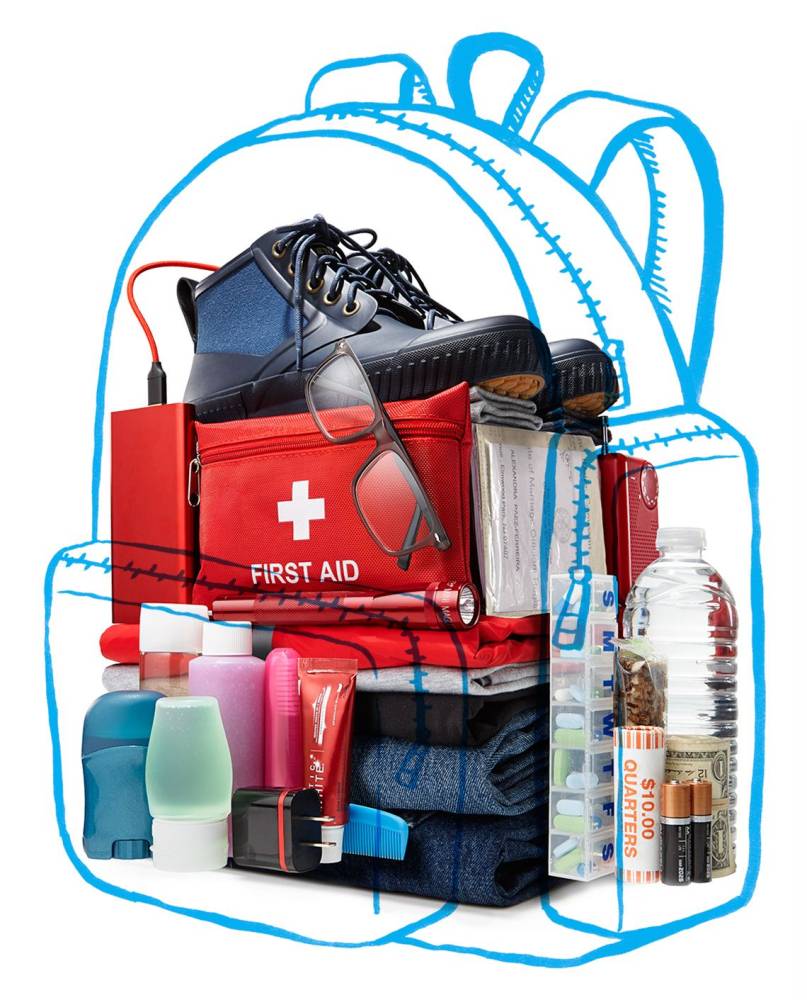
Every household should have a “go bag” ready for at least 72 hours of self-sufficiency. Store it in an accessible spot near your home’s exit.
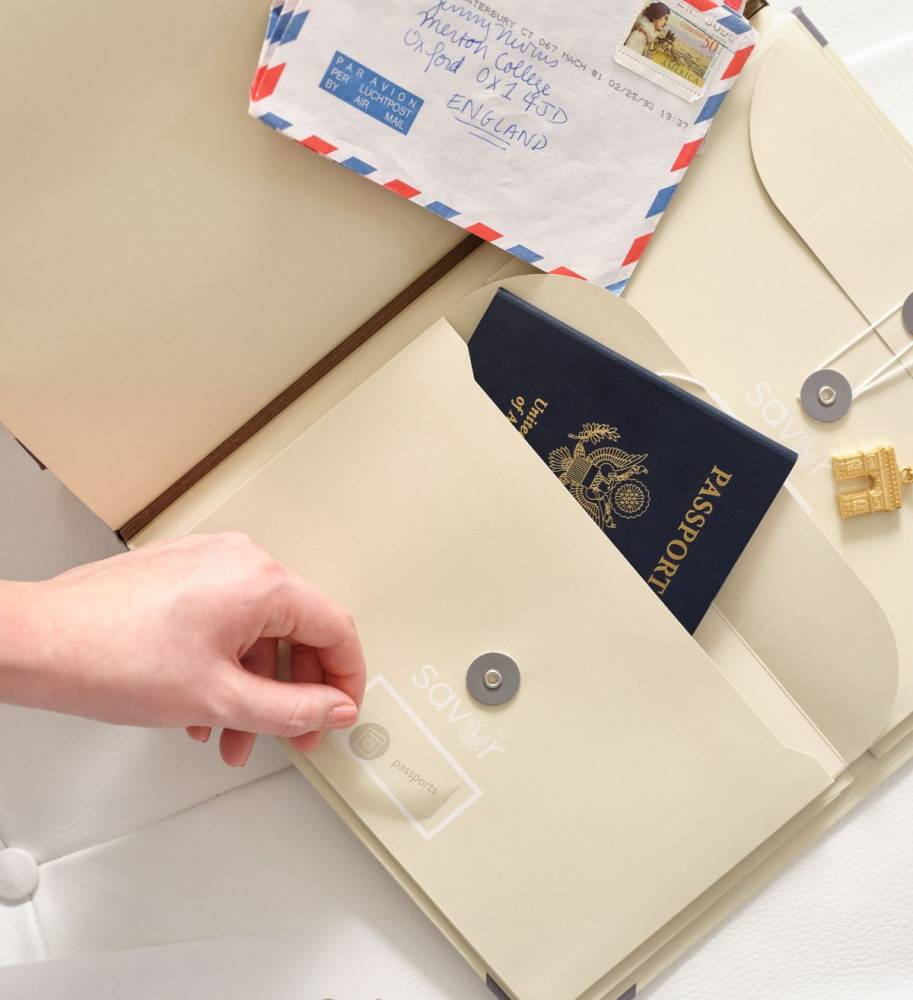
Include essentials like drinking water and ready-to-eat food; flashlight, extra batteries, and a power bank; first aid kit and maintenance medicines; copies of important documents in a waterproof pouch; extra cash; as well as face masks, hygiene supplies, and basic tools.
Tailor your kit for your household’s needs. Include milk and diapers for infants, pet food for animals, and personal medication for elderly family members.
(HTTPS://SAVOR.US)
Secure important documents
Safeguard important papers such as land titles, insurance policies, and identification cards in fireproof or waterproof containers. Consider scanning and storing digital copies in secure cloud storage for easy access in case of loss or damage.

(FAMILY_HANDYMAN VIA PINTEREST.COM)
Have an emergency plan
Identify emergency exits and agree on a meeting point outside your home. Keep emergency numbers (barangay, fire station, hospital) visible or saved on everyone’s phones. Practice evacuation drills at least twice a year so every family member knows what to do and where to go.
If you live in a condominium or subdivision, learn your community’s official safety procedures and evacuation routes.
(FAMILY_HANDYMAN VIA PINTEREST.COM)
After a calamity strikes, check your home
Once it’s safe to return, assess your home carefully before resuming normal routines.
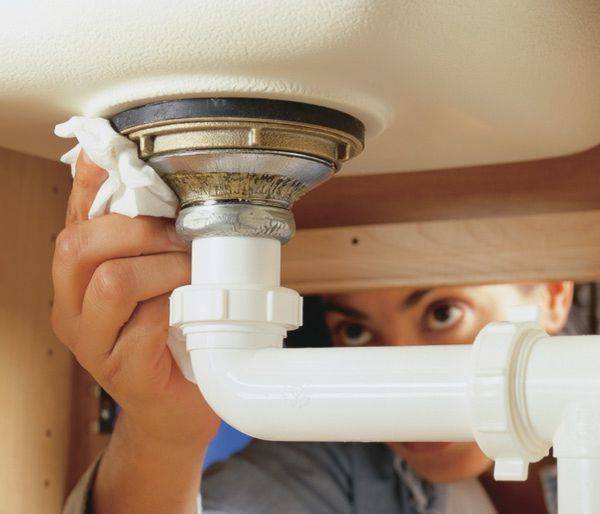
Check for gas leaks, exposed wires, and structural damage. Avoid turning on electricity until it’s declared safe. Clean and disinfect flooded areas to prevent disease, and document damages for insurance or relief claims.


