





BSP: FDIs extended slump in March


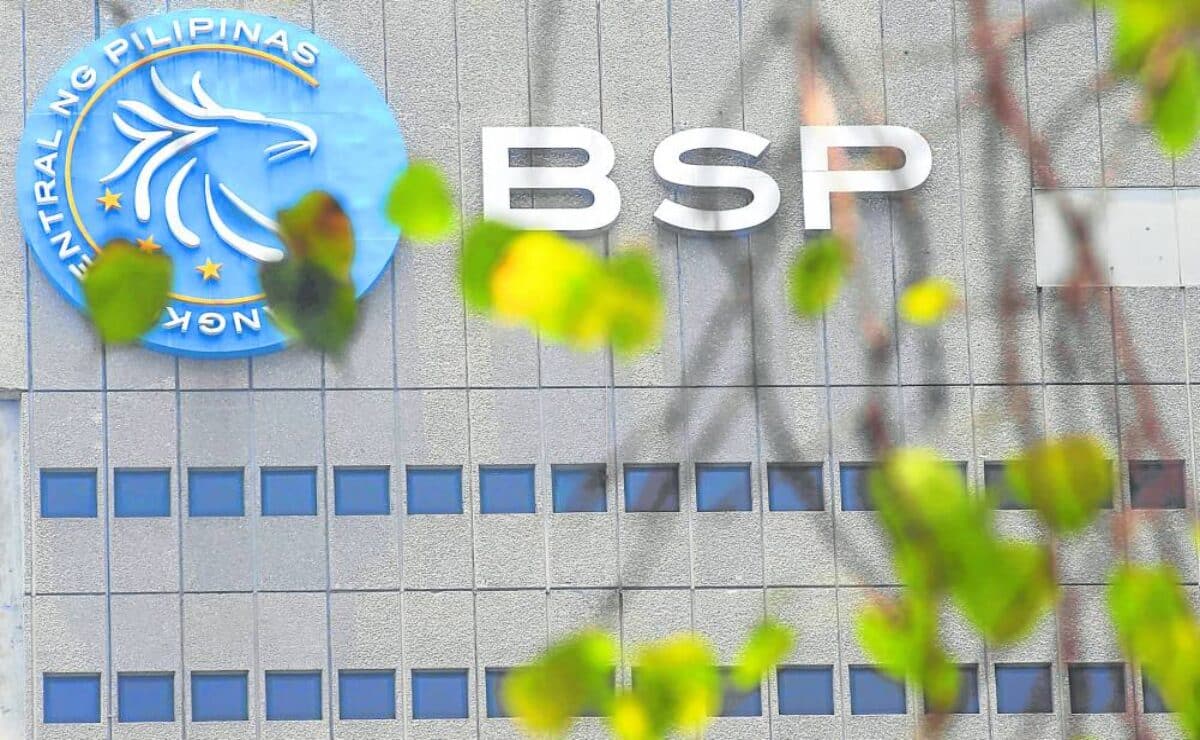
The Bangko Sentral ng Pilipinas (BSP) headquarters in Manila. —INQUIRER FILE PHOTO
MANILA, Philippines — The Philippines captured less foreign direct investments (FDIs) in March, as the net inflow of such job-generating capital fell to the lowest level in three months amid uncertainties hurting business confidence.
Latest data from the Bangko Sentral ng Pilipinas (BSP) showed $498 million FDIs entered the country against those that left during the month, 27.8-percent lower compared with a year ago.
That was the smallest net inflow since December 2024’s $110 million. Unlike foreign portfolio investments that leave at the first sign of trouble, FDIs are firmer commitments that can create jobs. That said, the government wants to attract more of these foreign funds, while keeping existing ones.
READ: FDI flows to Philippines down 62% in February
The decline in March marked the fifth straight month of contraction, bringing the FDI net inflow in the first quarter to $1.8 billion. The three-month tally was 41.1 percent lower on an annual basis and far short of the $9-billion FDI net inflow that the BSP projected for the whole year.
John Paolo Rivera, a senior research fellow at state-run think tank Philippine Institute for Development Studies, said the FDI slump in March was due to a mix of local and external headwinds.
Local and external headwinds weighed down on FDIs
“Externally, rising geopolitical tensions, high interest rates in developed markets, and global trade uncertainties especially from US tariff actions continue to dampen cross-border investments,” Rivera said.
“Internally, the Philippines is contending with political noise, investor concerns over regulatory predictability and slow progress in structural reforms that are necessary to boost long-term investor confidence,” he added.
Broken down, equity capital placement, a measure of new FDIs, slipped by 5.5 percent to $148 million. But it still trumped the 185-percent increase in withdrawals to $46 million. This, in turn, yielded a net equity capital placement of $102 million, 27.4-percent lower year-on-year.
READ: Bongbong Marcos’ foreign trips yield P4-T worth of investments
The bulk of the FDIs were in the form of intercompany borrowings between multinational firms and their Philippine offices. This, however, contracted by 31.6 percent to $329 billion.
Reinvestments of earnings, meanwhile, slipped by 1.2 percent to $66 million.
“This significant decline signals that while the Philippines remains attractive due to its demographics and market size, investors may be taking a cautious stance, awaiting more clarity on policy direction, post-election stability, and economic strategy execution in the medium to long term,” Rivera said.
“The government must prioritize improving ease of doing business, infrastructure rollout and fiscal sustainability to reverse this trend and regain investor momentum,” he added.


