

Article Index |Advertise | Mobile | RSS | Wireless | Newsletter | Archive | Corrections | Syndication | Contact us | About Us| Services
 
Sun, Nov 22, 2009 10:48 AM Philippines      25°C to 33°C
  HOME       NEWS     SPORTS     SHOWBIZ AND STYLE      TECHNOLOGY     BUSINESS     OPINION      GLOBAL NATION    SERVICES
Advertisement
Robinsons Land Corp.
Xoom

INQUIRER ALERT
Get the free INQUIRER newsletter
Enter your email address:

 
Money / Top Stories Type Size: (+) (-)
You are here: Home > Business > Money > Top Stories

  ARTICLE SERVICES      
     Reprint this article     Print this article  
    Send as an e-mail     Send Feedback  
    Post a comment   Share  

  RELATED STORIES  


imns


Hedge fund tools may see revival in Asia

By Doris Dumlao
Philippine Daily Inquirer
First Posted 17:19:00 01/04/2009

Filed Under: World Financial Crisis, Financial & Business Services, Markets & Exchanges

MANILA, Philippines--Global asset management firm Bank of New York Mellon sees the Asia-Pacific region leading the revival of hedge fund instruments, such as the so-called structured products, despite the stigma from the financial meltdown that started in the United States.

"Over time, there will be a world-wide return to structured products. They have gotten a bad name with this crisis, for good reason. They are, however, an important investment vehicle for financial institutions," BNY Mellon chair for Asia Pacific Christopher Sturdy told the Inquirer.

A structured product is a pre-packaged investment instrument based on derivatives, such as a single security, a basket of securities, options, indices, commodities, debt issuances, foreign currencies and to a lesser extent, swaps.

"Because Asia-Pacific hasn't been burned on that, it may well lead the rest of the world back into those products," said Sturdy.

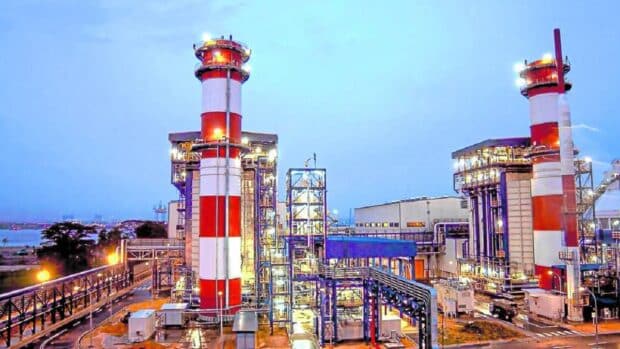
"Infrastructure development which is needed across Asia-Pacific depends on those products. You can't do it on straight bank lending or bond issuance," Sturdy said.

He said the big challenge if structured products were to be revived would be to make sure that they were well-understood and properly rated.

"The problem was the structures of these products got so complex, that people lost sight of what the underlying assets really were. The market was relying solely on rating agencies," Sturdy said.

In the case of the US financial crisis, financial institutions incurred huge losses on structured products with subprime mortgage credit as underlying assets. Rising delinquency among US subprime borrowers, or those with poor credit records and little equity, created ripples across the globe.

BNY Mellon, which follows a "bank for banks" model, is a global player in asset management, issuer services and treasury services. It has more than $23 trillion in assets under custody and administration worldwide. It had earlier divested its retail banking interest.

Amid the US financial meltdown, BNY Mellon has been tapped to service the US government's Troubled Asset Relief Program (TARP), which would take out toxic assets clogging the financial system.

In the Philippines, BNY Mellon maintains a representative office.


Copyright 2009 Philippine Daily Inquirer. All rights reserved. This material may not be published, broadcast, rewritten or redistributed.


Share

RELATED STORIES:

OTHER STORIES:


  ^ Back to top

© Copyright 2001-2009 INQUIRER.net, An INQUIRER Company

The INQUIRER Network: HOME | NEWS | SPORTS | SHOWBIZ & STYLE | TECHNOLOGY | BUSINESS | OPINION | GLOBAL NATION | Site Map
Services: Advertise | Buy Content | Wireless | Newsletter | Low Graphics | Search / Archive | Article Index | Contact us
The INQUIRER Company: About the Inquirer | User Agreement | Link Policy | Privacy Policy

Advertisement
BizLinq
SF FilAm Chamber of Commerce
Toyota
Focalcast