July 10, 2022






REUTERS — Nike said it would cut its reliance on production in China to mitigate the impact from US tariffs on imports. It forecast a smaller-than-expected drop in first-quarter revenue,...
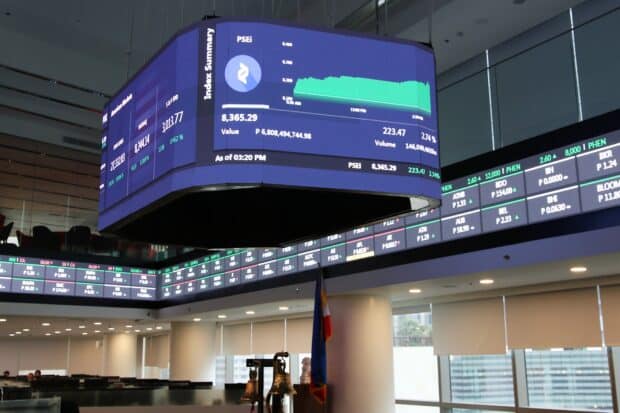
MANILA, Philippines —The Philippine Stock Exchange index (PSEi) opened the trading week in the red. Traders retreated amid the conflict arising between Israel and Iran. The benchmark PSEi slid by...


MANILA, Philippines — Local pump prices are forecast to go down next week following the perceived easing of tensions in the Middle East due to…









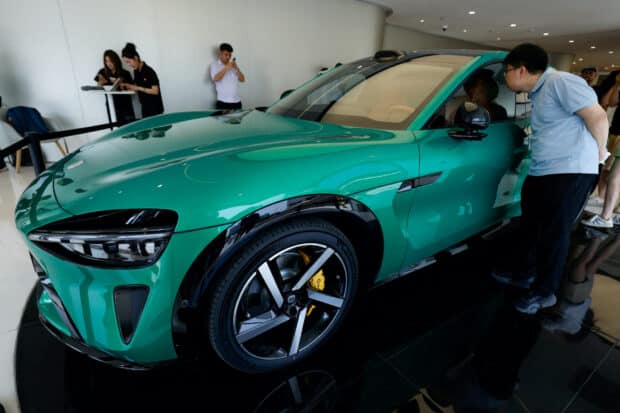
SHANGHAI/BEIJING — Exceptionally strong initial orders for Xiaomi’s YU7 electric sport utility vehicle sent shares in the automotive newcomer to a record high on Friday. It fanned…



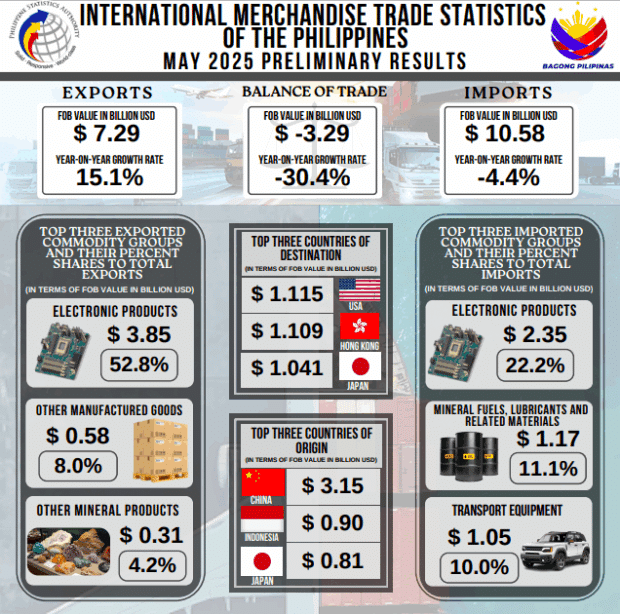
MANILA, Philippines — The Philippines’ foreign trade deficit narrowed by 30.4 percent to $3.29 billion in May after exports outperformed imports. READ: Import contraction cuts…



MANILA, Philippines – The Marcos administration has trimmed its growth target for this year amid external headwinds that are weighing on the global economy. The…

MANILA, Philippines — Easing tensions in the Middle East encouraged investors to hunt for bargains on Friday. This allowed the Philippine Stock Exchange index (PSEi)…


MANILA, Philippines – To support its expansion plans, Union Bank of the Philippines said it has raised P16 billion from its most recent foray into…
This is an information message
We use cookies to enhance your experience. By continuing, you agree to our use of cookies. Learn more here.