July 10, 2022





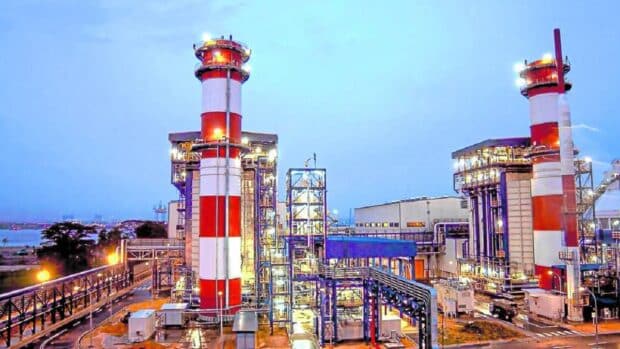
MANILA, Philippines — PacificLight Power Pte Ltd. has switched on its 100-megawatt facility in Singapore, designed to help meet the Southeast Asian country’s energy needs. The company is a subsidiary...


WASHINGTON, United States — The World Bank is re-entering the nuclear energy space “for the first time in decades,” its President Ajay Banga said Wednesday, as it works towards meeting...


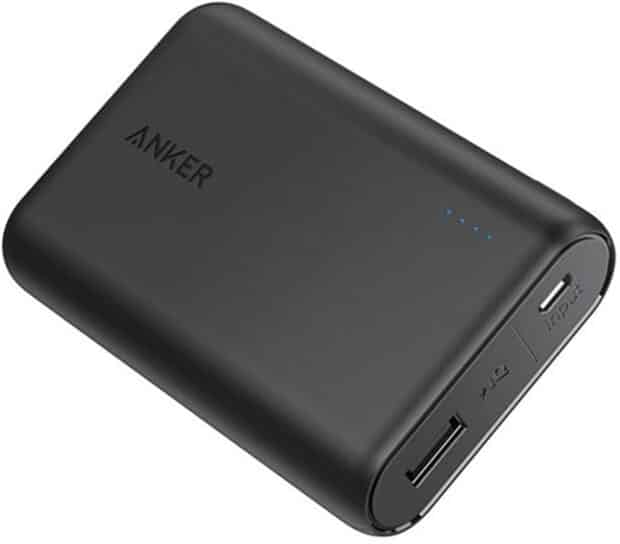
NEW YORK, United States — More than 1.15 million power banks are under recall across the U.S. after some fires and explosions were reported by…










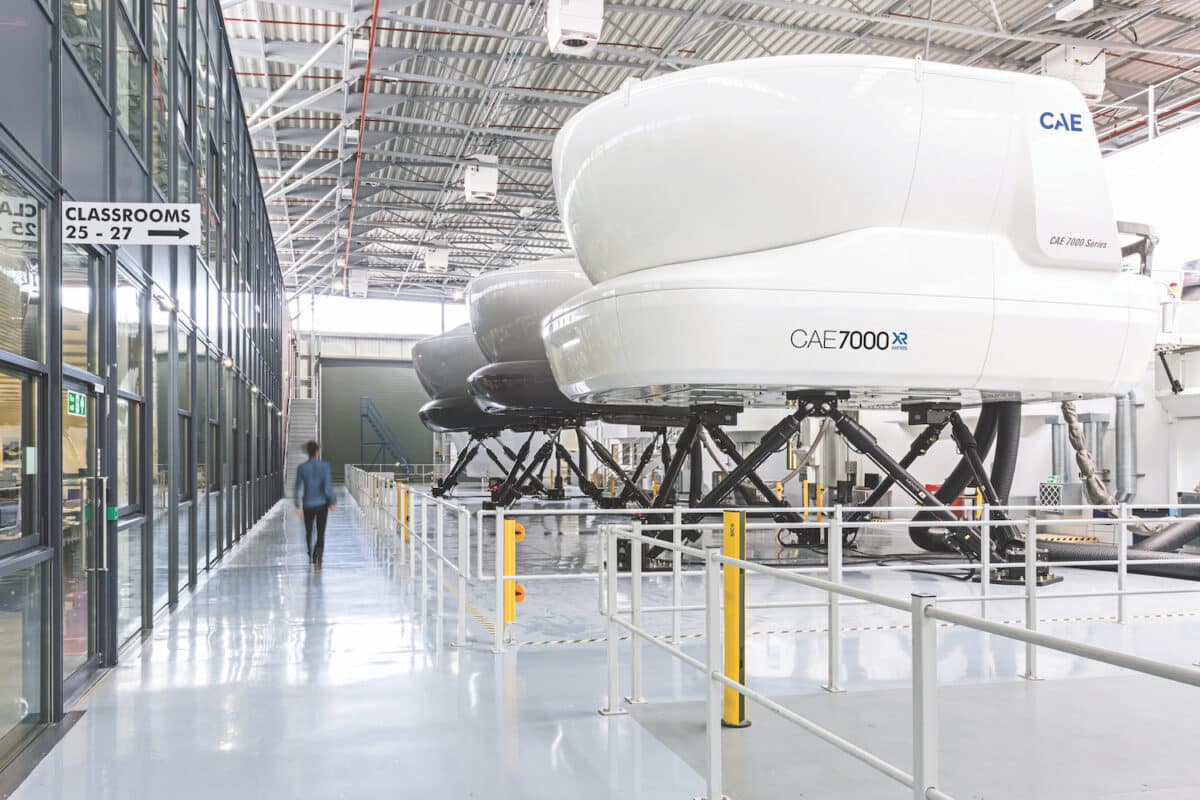
MANILA, Philippines — The joint venture between Cebu Pacific and Canada-based simulation technology developer CAE Inc. will deploy another full-flight simulator (FFS) next year to…


MANILA, Philippines — Tight importation schedules and supply issues prompted the Department of Agriculture (DA) to extend the issuance of fish import permits to June.…

KUNSHAN, China — Bustling Taipei-style shopping streets, majestic temples to the island’s deities and thriving factories dot the eastern Chinese city of Kunshan. For years, Kunshan…
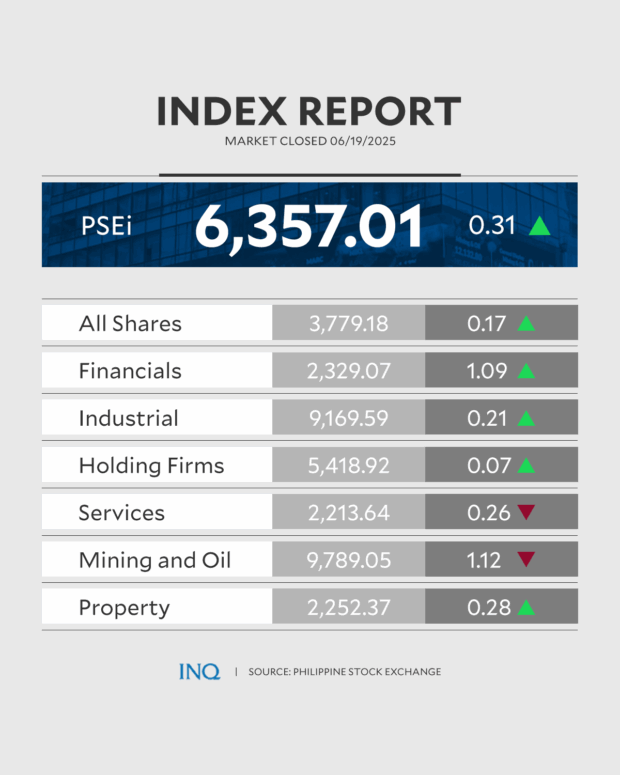
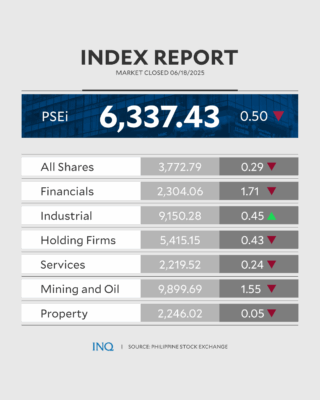
MANILA, Philippines — Investors bought up shares ahead of the Monetary Board’s decision to cut the policy rate by 25 basis points. This prompted the…
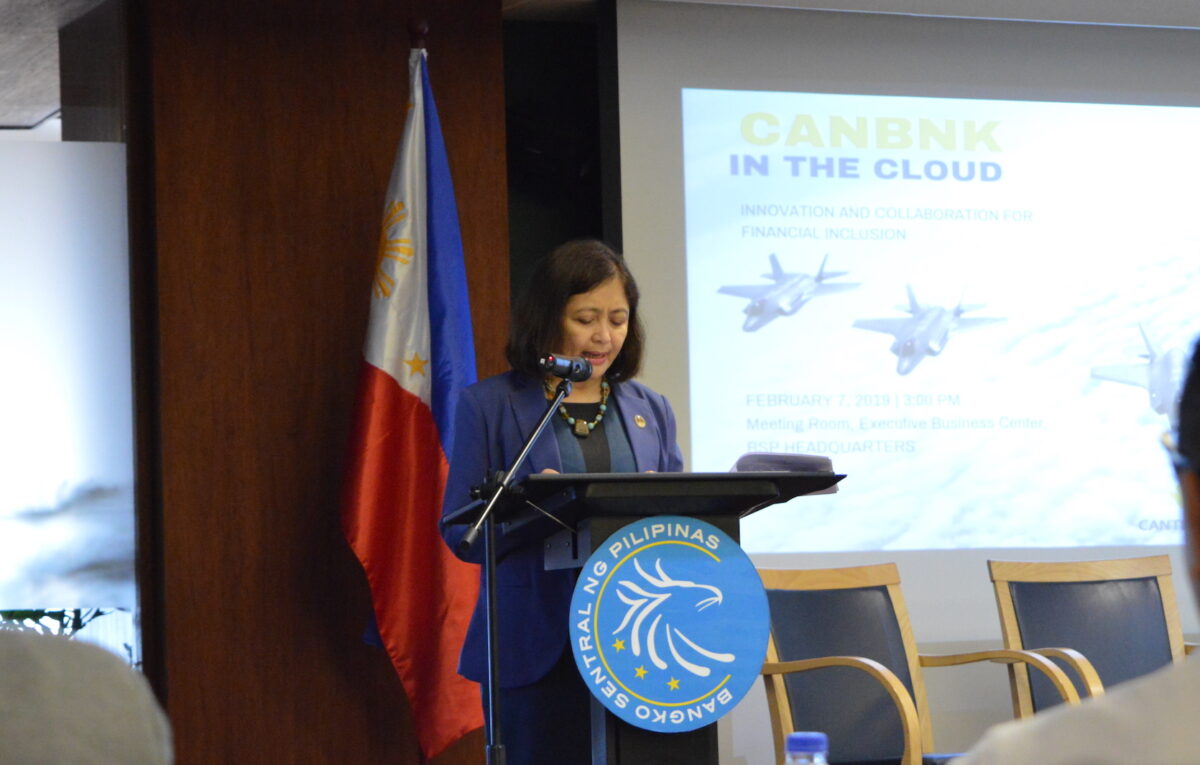
MANILA, Philippines — A European digital bank is at the initial stage of clearing regulatory hurdles before it can finally enter the Philippine market, a…

This is an information message
We use cookies to enhance your experience. By continuing, you agree to our use of cookies. Learn more here.