





Cultural planning
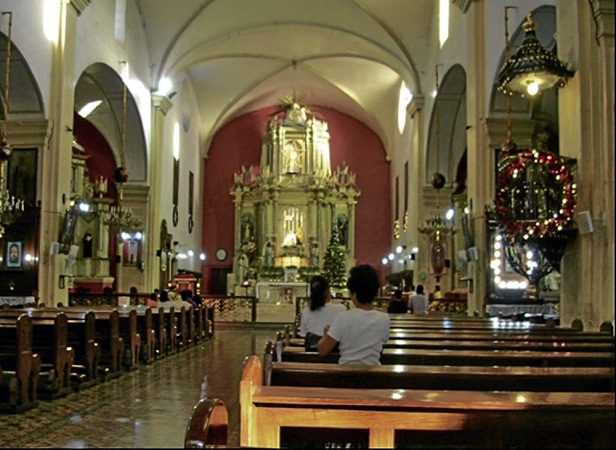
CULTURAL PLANNING is the strategic and integrated planning and use of cultural resources for economic and community development. Above is the Vigan Cathedral altar. Photo by Amado de Jesus & Associates—Green Architecture
Have you ever wondered what would happen at the rate many of our historically important homes, buildings and monuments are being destroyed, vandalized and demolished? We will soon be wiping out traces of our cultural heritage.
Cultural heritage is defined as the legacy of tangible and intangible attributes of a people inherited from past generations and maintained for future generations. It may include monuments, buildings, landscapes, art works as well as traditions, language and knowledge.
Preserving cultural heritage
Without our cultural heritage we lose our most basic identity as a people and as a nation. Cultural heritage is what distinguishes one nation from another. It is this diversity that makes our world interesting.
As mentioned in previous articles, the movement of human population to cities that look similar in many ways because of globalization, has spurred creative thinking inside the city to study ways to solve the increasingly apparent problem of cultural degradation.
One possible solution is Cultural Planning discussed recently in a forum sponsored by the School of Urban and Regional Planning of the University of the Philippines.
Cultural planning
Jeff Evenson, principal, connector at the Canadian Urban Institute spoke about municipal cultural planning, defined by the government of Ontario as “a municipal government-led process approved by council, for identifying a community’s cultural resources, strengthening the management of those resources and integrating those cultural resources across all facets of local government-planning and decision-making.”
Cultural planning is the strategic and integrated planning and use of cultural resources for economic and community development. The municipality integrates culture in plans and policies in collaboration with the community including the academe and business partners.
The 21st century is environmentally conscious and this will affect public policy, quality of life, quality of place and social justice.
Whereas before we thought that people follow business and investment. Now developers build communities where people want to live and work, and business and investment will follow people.
Cultural mapping identifies cultural resources. This lays the groundwork for place specificity that enhances differentiation and cultural value. We could make responsible use of nature, structures, local materials and experiences as a source for ideas to shape aesthetic motivations.
The creation of wealth from localized creative economic activity can serve as stimuli for more creativity and innovation.
The Local Government Support Program for Local Economic Development under the Department of Interior and Local Government or DILG is a collaborative program between the governments of Canada and the Philippines to reduce poverty by strengthening local governance and supporting sustainable local economic development.
While creating sustainable livelihood and encouraging market-oriented product innovation, the program helps restore and protect the physical environment.
Preservation and promotion of culture of local communities creates a sense of ownership and pride in the public realm. It engages the youth in positive leisure activities, and directs them toward economic development through job creation, retail activity and increased property values.
For comments or inquiries, e-mail [email protected].
caption:
CULTURAL PLANNING is the strategic and integrated planning and use of cultural resources for economic and community development. Above is the Vigan Cathedral altar.photo: Amado de Jesus & Associates—Green Architecture -----------plan
Cultural planning
Green Architrends
By Amado de Jesus
March 24, 2012
Page B2-2
HAVE YOU ever wondered what would happen at the rate many of our historically important homes, buildings and monuments are being destroyed, vandalized and demolished? We will soon be wiping out traces of our cultural heritage.
Cultural heritage is defined as the legacy of tangible and intangible attributes of a people inherited from past generations and maintained for future generations. It may include monuments, buildings, landscapes, art works as well as traditions, language and knowledge.
Preserving cultural heritage
Without our cultural heritage we lose our most basic identity as a people and as a nation. Cultural heritage is what distinguishes one nation from another. It is this diversity that makes our world interesting.
As mentioned in previous articles, the movement of human population to cities that look similar in many ways because of globalization, has spurred creative thinking inside the city to study ways to solve the increasingly apparent problem of cultural degradation.
One possible solution is Cultural Planning discussed recently in a forum sponsored by the School of Urban and Regional Planning of the University of the Philippines.
Cultural planning
Jeff Evenson, principal, connector at the Canadian Urban Institute spoke about municipal cultural planning, defined by the government of Ontario as “a municipal government-led process approved by council, for identifying a community’s cultural resources, strengthening the management of those resources and integrating those cultural resources across all facets of local government-planning and decision-making.”
Cultural planning is the strategic and integrated planning and use of cultural resources for economic and community development. The municipality integrates culture in plans and policies in collaboration with the community including the academe and business partners.
The 21st century is environmentally conscious and this will affect public policy, quality of life, quality of place and social justice.
Whereas before we thought that people follow business and investment. Now developers build communities where people want to live and work, and business and investment will follow people.
Cultural mapping identifies cultural resources. This lays the groundwork for place specificity that enhances differentiation and cultural value. We could make responsible use of nature, structures, local materials and experiences as a source for ideas to shape aesthetic motivations.
The creation of wealth from localized creative economic activity can serve as stimuli for more creativity and innovation.
The Local Government Support Program for Local Economic Development under the Department of Interior and Local Government or DILG is a collaborative program between the governments of Canada and the Philippines to reduce poverty by strengthening local governance and supporting sustainable local economic development.
While creating sustainable livelihood and encouraging market-oriented product innovation, the program helps restore and protect the physical environment.
Preservation and promotion of culture of local communities creates a sense of ownership and pride in the public realm. It engages the youth in positive leisure activities, and directs them toward economic development through job creation, retail activity and increased property values.
For comments or inquiries, e-mail [email protected].


